Coding agents & developer workflows
Evaluation, sandboxing, code review, security, and adoption practices for AI coding agents.
Coding agents & developer workflows groups related ToolVerse Insights articles so teams can move from research context to practical AI tool evaluation with less guesswork.
Move from landscape to operating control.
For: Engineering leaders, developer-platform teams, and security reviewers deciding where coding agents run, how they are evaluated, and what review burden they create.
Select coding agents by measuring accepted repository outcomes, reviewer time, sandbox boundaries, and recovery rather than generated code volume. Start with a constrained workspace, price the full review loop, run repeatable repository tasks, and expand permissions only after security and quality evidence remains stable.
- 01 Understand the workspace
An open-source agent workspace with Deer Flow, Hermes Agent, LibreChat, and Context7
Map the roles of coding, research, context, and review tools.
Read the flagship guide → - 02 Price verified outcomes
AI coding agent pricing brief: what usage-based plans change for teams
Compare plans using accepted work and reviewer time instead of seat price.
Read the flagship guide → - 03 Build an evaluation stack
An agent evaluation stack with Promptfoo, AgentScope, and SWE-agent
Use representative repository tasks, deterministic checks, and calibrated review.
Read the flagship guide → - 04 Set security gates
Research brief: coding agents need security gates before broad repository access
Bound credentials, network access, dependencies, and merge authority.
Read the flagship guide →

Coding Agent CI Quality Gates Guide
Design CI gates for coding-agent changes using scoped diffs, deterministic tests, security checks, evidence review, and controlled merge authority.

Cursor Review for Production Coding Workflows
A source-verified Cursor review covering editor agents, cloud agents, privacy controls, pricing, repository governance, and review ownership.

Aider review: git-native AI pair programming for repository work
Aider offers a documented terminal-centered, Git-aware editing workflow with repository maps and model choice, but repository-scale usefulness and safety still depend on task boundaries, independent checks, and a human owner.

How to secure background coding agents before they touch production
A background coding agent should receive a narrow task, disposable execution boundary, scoped credentials, deterministic CI gates, and an accountable human owner before it can create a production-facing change.

AWS Agent Toolkit: what the May 2026 launch means for coding-agent controls
AWS combined managed MCP access, task-specific skills, plugins, and rules files into a coding-agent toolkit; the useful decision is whether its documented controls fit one bounded AWS workflow.

Claude-Mem review: privacy, context quality, and alternatives
Claude-Mem addresses repeated context loss with automatic capture and recall, but durable coding memory creates a data, trust, and maintenance boundary teams must audit.

How to audit coding-agent memory for safe reuse
Persistent context is useful only when teams can explain what was stored, why it was recalled, who may see it, and how stale or hostile memory is removed.
OpenHands review: repository tasks, sandbox boundaries, and cost
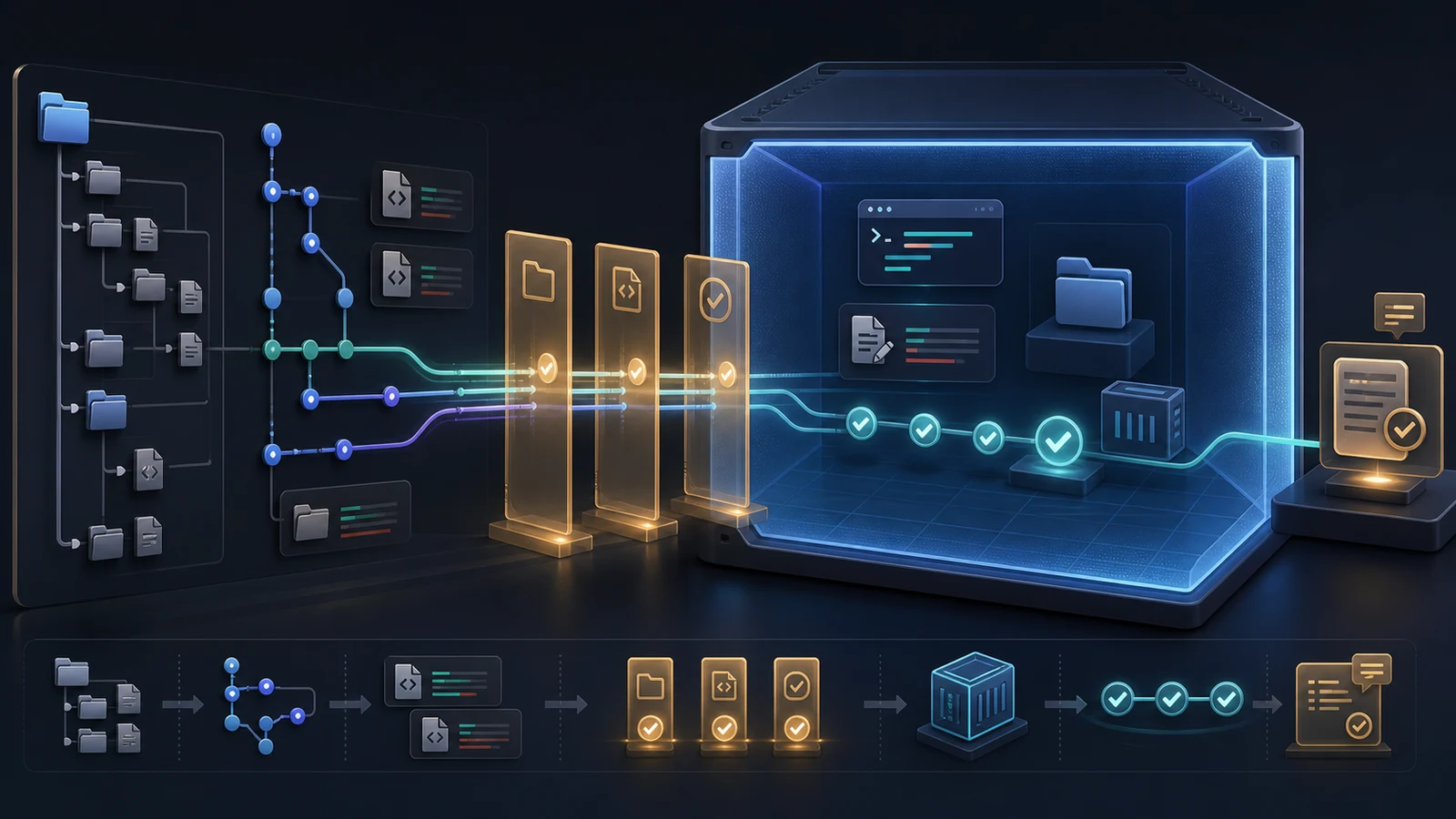
OpenHands can take on bounded repository work through a capable agent runtime, but adoption depends on task evidence, sandbox choices, credential scope, and review ownership.

Claude Sonnet 5 coding-agent impact: what engineering teams should test
Sonnet 5 expands Anthropic's agentic Sonnet tier, but engineering teams still need controlled repository evidence before changing a coding workflow.
GitHub Copilot parallel agents: cost visibility and MCP security controls
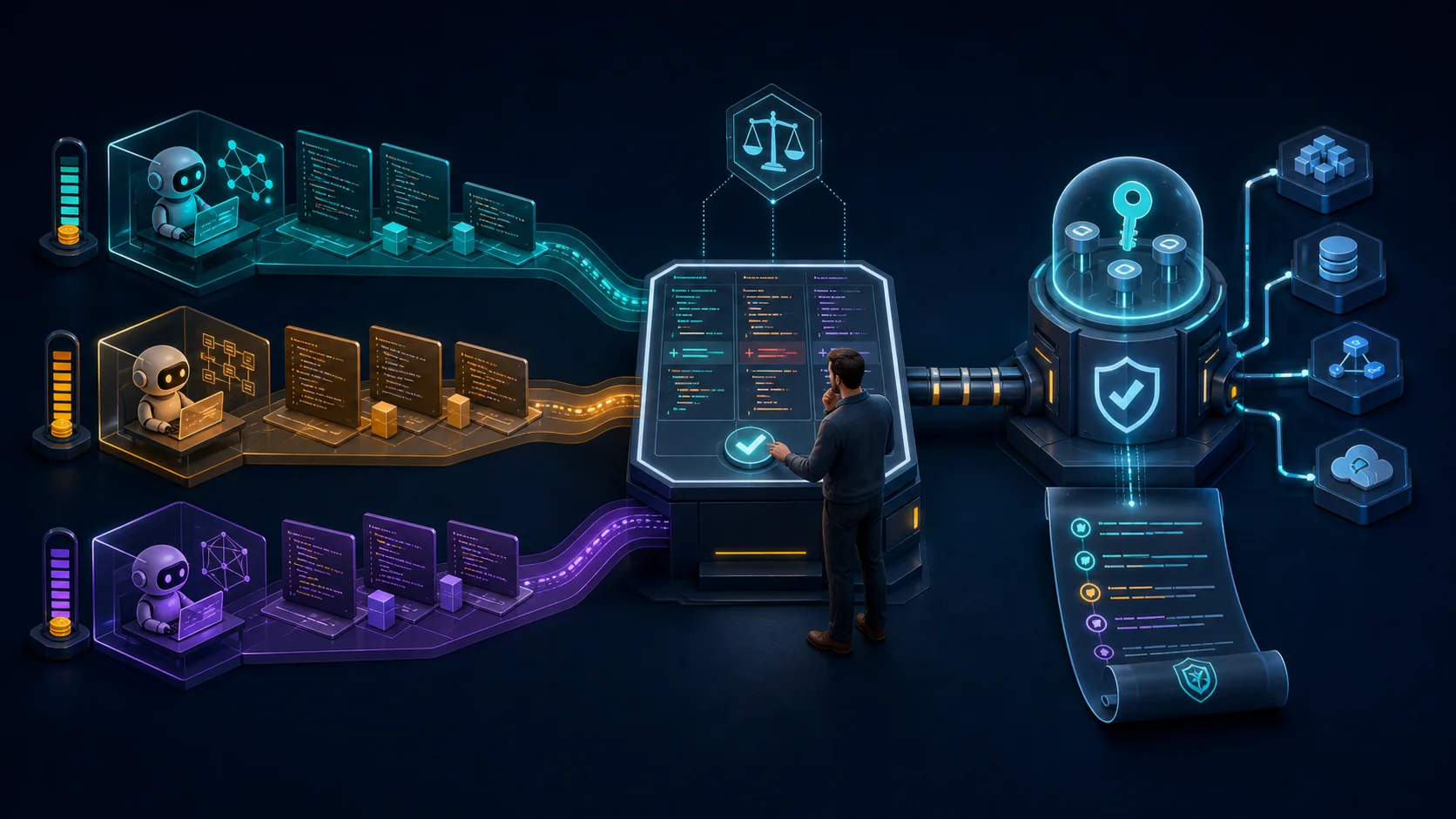
VS Code can organize more agent work in parallel and expose more credit usage, but teams still need isolation, scoped MCP access, and one accountable review path.

Gemma 4 12B local agent requirements: hardware, privacy, and rollout
Gemma 4 12B brings text, image, and audio input to laptop-class hardware, but a reliable local agent still depends on precision, context, runtime, tools, and controls.
AI PR review tools compared for engineering teams
AI review products can expand early feedback, but engineering teams still need deterministic merge gates and accountable human approval.
Coding agent review debt: a measurement guide
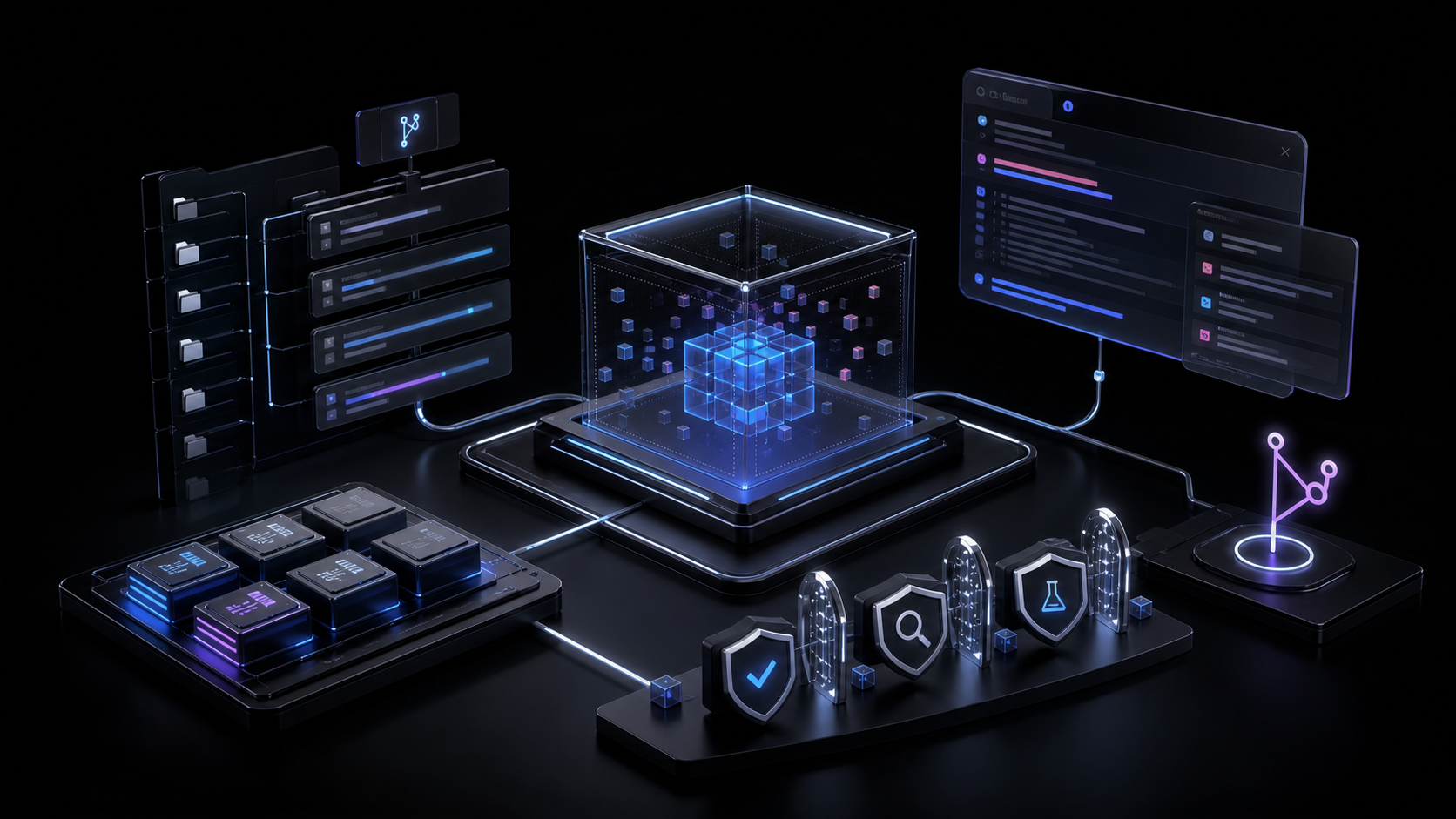
Measure the hidden human review, correction, CI rerun, defect, and rollback work that can offset coding-agent output.
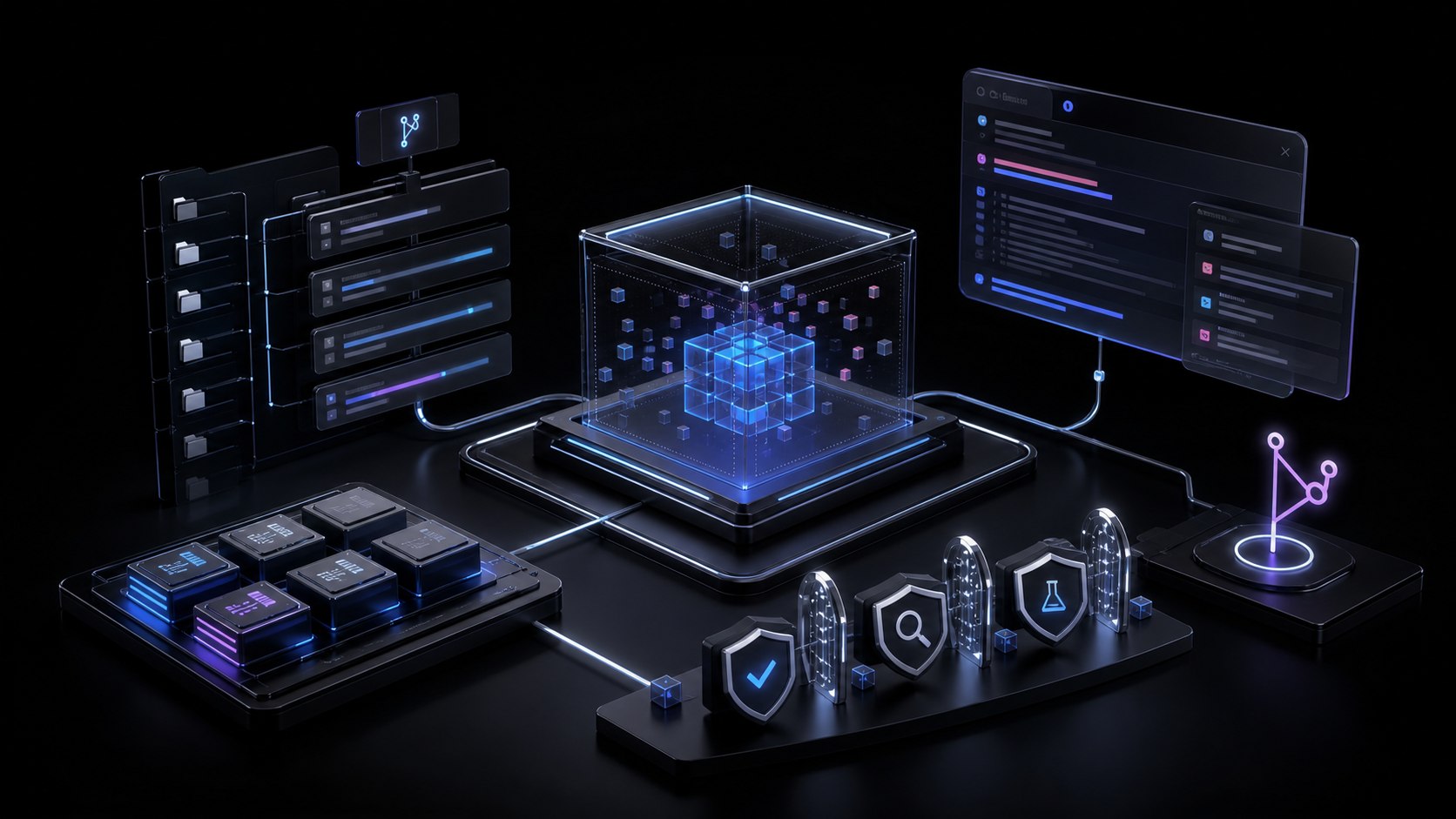
Best AI coding agent tools for evaluation, review, and secure rollout
Compare AI coding agent tool types for repository evaluation, pull request review, prompt testing, sandboxing, security, and controlled rollout.
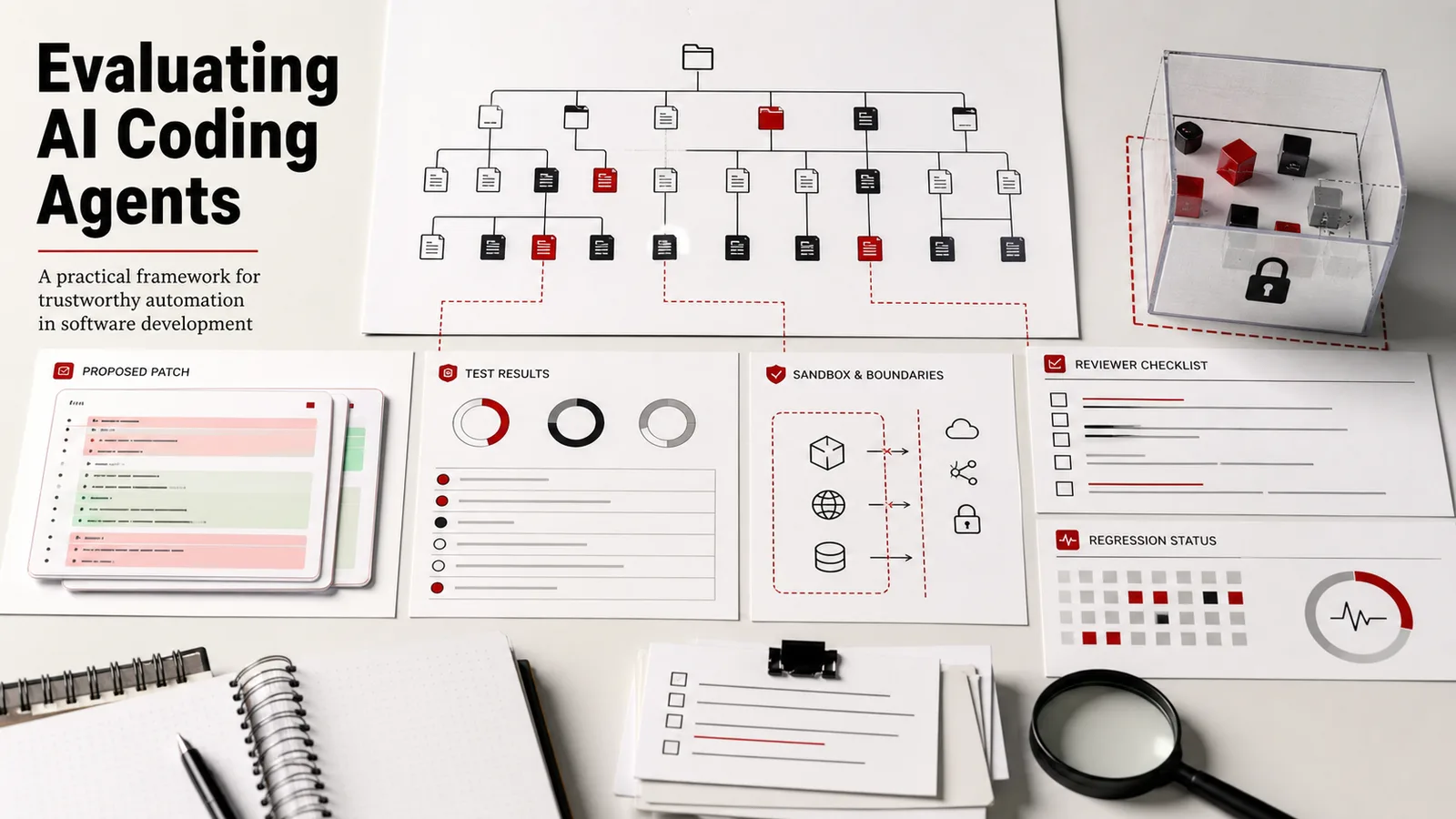
Coding Agent Benchmark Selection Guide
A decision framework for coding-agent benchmark selection that turns official documentation into a controlled pilot, operating record, and defensible selection.

IDE vs CLI vs Background Coding Agents
A decision framework for IDE, CLI, and background coding-agent operating models that turns official documentation into a controlled pilot, operating record, and defensible selection.
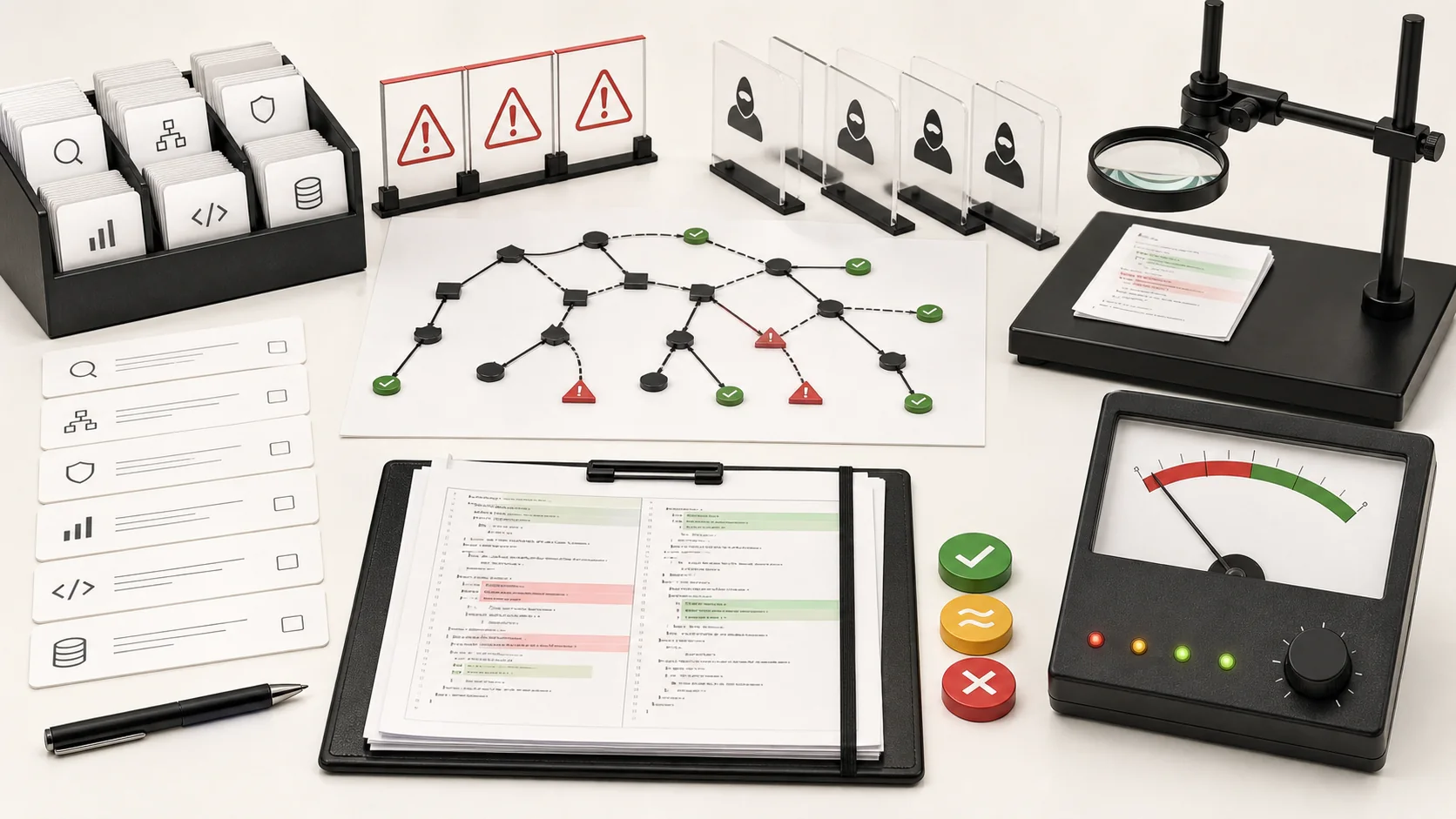
An agent evaluation stack with Promptfoo, AgentScope, and SWE-agent
Agent evaluation needs more than a final-answer score: test the task set, execution trace, security boundary, side effects, and recovery behavior separately.

An open-source agent workspace with Deer Flow, Hermes Agent, LibreChat, and Context7
These projects solve different layers of an agent workspace. The architecture works only when execution, user interface, context, credentials, and review remain explicit boundaries.
Coding agent rollout checklist for engineering teams
A rollout checklist for adopting coding agents with sandbox rules, task selection, review gates, CI checks, and developer feedback loops.
Research brief: what agent-authored code studies say teams should measure
A source-backed research brief on AI coding agent adoption studies and the metrics teams should track before scaling developer automation.
How to evaluate AI coding agents with repository tasks
Coding agents should be evaluated on representative repository work, not polished demos or isolated code-generation prompts.
AI pull request review checklist for agent-authored code
A risk-based checklist for reviewing AI-generated pull requests across scope, tests, dependencies, security, maintainability, and repository policy.
AI coding agent pricing brief: what usage-based plans change for teams
A brief on how usage-based AI coding plans change pilot design, budgets, review cost, and governance for developer teams.
Coding agent sandboxing guide for local, cloud, and CI workflows
A guide to sandboxing coding agents with filesystem boundaries, command allowlists, network controls, secrets handling, and CI checks.
Research brief: coding agents need security gates before broad repository access
Repository access turns a coding assistant into a security-sensitive operator, making sandboxes, command review, and secrets boundaries essential.

A practical open-source LLM stack for teams starting from zero
A field guide for choosing local model runners, inference servers, model libraries, retrieval layers, and evaluation tools without overbuilding the first stack.
Prompt evaluation playbook for production AI workflows
A production prompt evaluation method covering task datasets, deterministic assertions, graded quality, safety cases, cost, and release regression gates.