AI News
Short source-backed updates on AI platforms, models, and workflows.
AI News collects source-backed ToolVerse Insights articles for readers who want concise context before comparing AI tools in the directory.
Workflow design, tool permissions, observability, and MCP integration patterns for maintainable agents.
1 articles RAG, retrieval & evaluationRAG quality, retrieval architecture, hybrid search, reranking, and monitoring for document AI systems.
5 articles Coding agents & developer workflowsEvaluation, sandboxing, code review, security, and adoption practices for AI coding agents.
1 articles AI productivity & business operationsSupport, sales, meetings, spreadsheets, and everyday operational AI workflows for teams.
3 articles Creative, multimodal & document AICreative production, multimodal QA, document extraction, video AI, and brand-safe asset workflows.
3 articles AI governance, procurement & securityGovernance, procurement, vendor review, data retention, and risk controls for AI tool adoption.

Apryse Summer 2026 document AI release explained
Apryse announced its Summer 2026 release on July 15, covering an AI-powered OCR engine, document-editing controls, capture improvements, WebViewer 12.0, and related SDK changes. The release and technical notes confirm feature availability, but vendor accuracy figures and broad productivity language are not independent proof. Teams should verify modules, licensing, platforms, languages, deployment, and representative files.

Google AI ad transparency labels: July 2026 update
Google announced expanded AI-ad transparency on July 9, 2026, including a My Ad Center “How this ad was made” view, automatic disclosures for some Google-generated assets, and advertiser controls for externally created AI media. The announcement is specific to Google advertising surfaces and varies by content, product, and region; it is not a universal rule for every platform or asset.
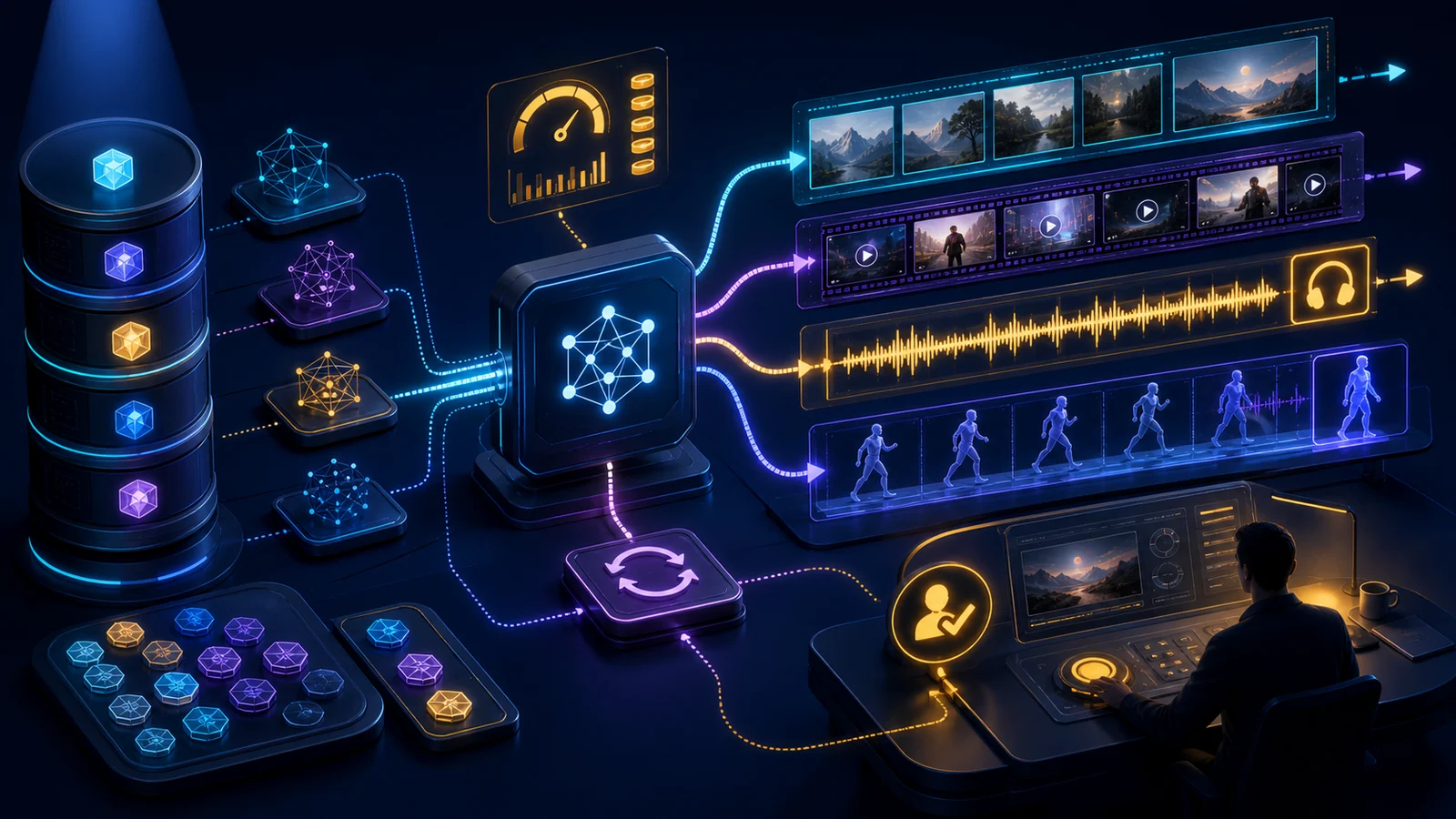
Runway Dev creative AI API launch: what changes
Runway introduced Runway Dev on July 8, 2026 as a developer platform for image, video, audio, and real-time character models through one API surface. The announcement and API documentation establish the offered interface and current billing mechanics, not universal scale, reliability, security, quality, or cost advantage. Production teams still own evaluation, rights, moderation, retries, provenance, and release controls.

Amazon WorkSpaces for AI agents reaches GA: managed desktops, MCP controls, and operator responsibility
AWS made WorkSpaces for AI agents generally available, but a managed desktop session remains a customer-operated identity, network, tool, and recovery boundary.

Microsoft Entra agent identity governance: accountable identities, sponsors, and lifecycle boundaries
Microsoft’s July governance announcement reinforces a distinct identity model for agents, but availability and licensing differ across the platform and individual controls.

OpenAI Presence for enterprise agents: limited GA, managed deployment, and the questions buyers still own
Presence is a managed, limited-GA enterprise deployment for governed voice and chat agents, not a self-service agent-builder product.

AWS Agent Toolkit: what the May 2026 launch means for coding-agent controls
AWS combined managed MCP access, task-specific skills, plugins, and rules files into a coding-agent toolkit; the useful decision is whether its documented controls fit one bounded AWS workflow.

Bedrock AgentCore Harness GA: the managed loop is available, the operating design is still yours
AWS made its managed AgentCore harness generally available on June 17; teams can configure a loop faster, but they still need a defensible model, tool, memory, identity, and recovery design.

Microsoft Foundry IQ: enterprise retrieval availability is mixed, so design to the exact API and integration
Foundry IQ brings knowledge bases and agentic retrieval into Microsoft Foundry, but documentation distinguishes API-level GA from portal and integration previews; enterprise teams should design to that exact boundary.
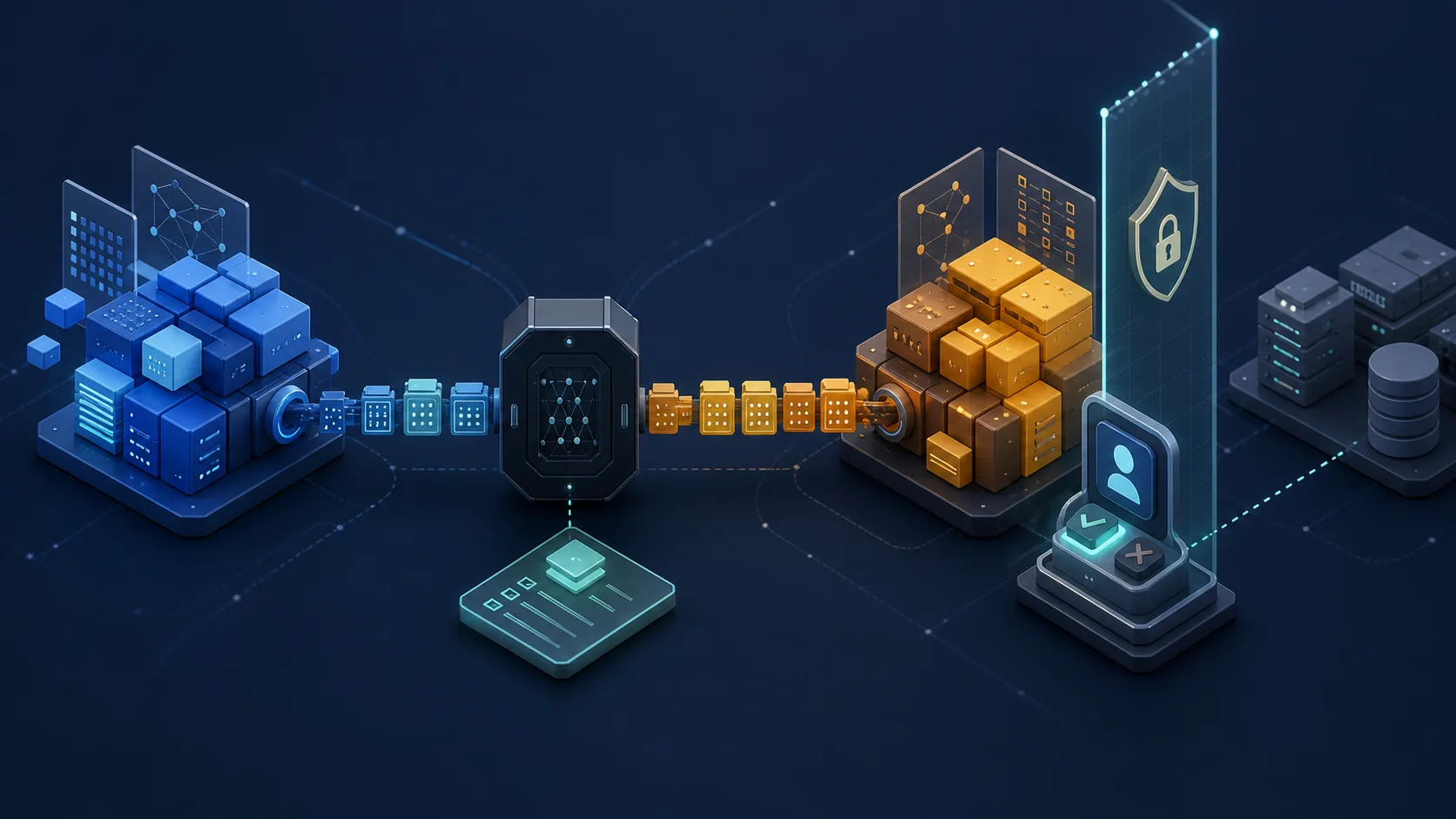
A2A protocol at one year: what production adoption evidence actually supports
A2A has neutral governance, a 1.0 specification, and cross-language examples; production readiness still depends on local interoperability and trust-boundary tests.
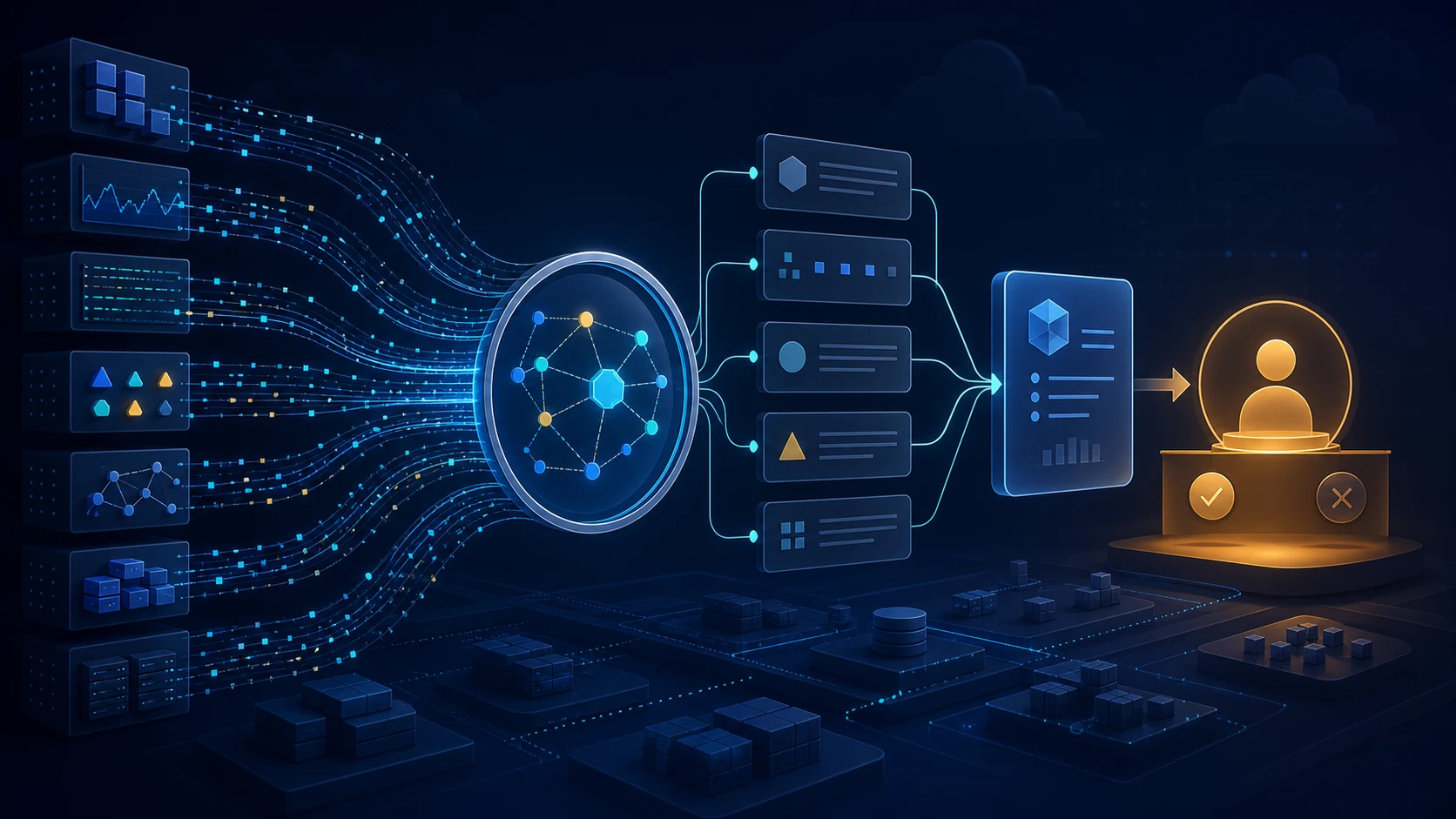
Azure Copilot Observability Agent GA: scope, signals, and rollout boundaries
Microsoft made the Observability Agent generally available, while autonomous operations and its durable agent resource remain public preview.

Claude Sonnet 5 coding-agent impact: what engineering teams should test
Sonnet 5 expands Anthropic's agentic Sonnet tier, but engineering teams still need controlled repository evidence before changing a coding workflow.
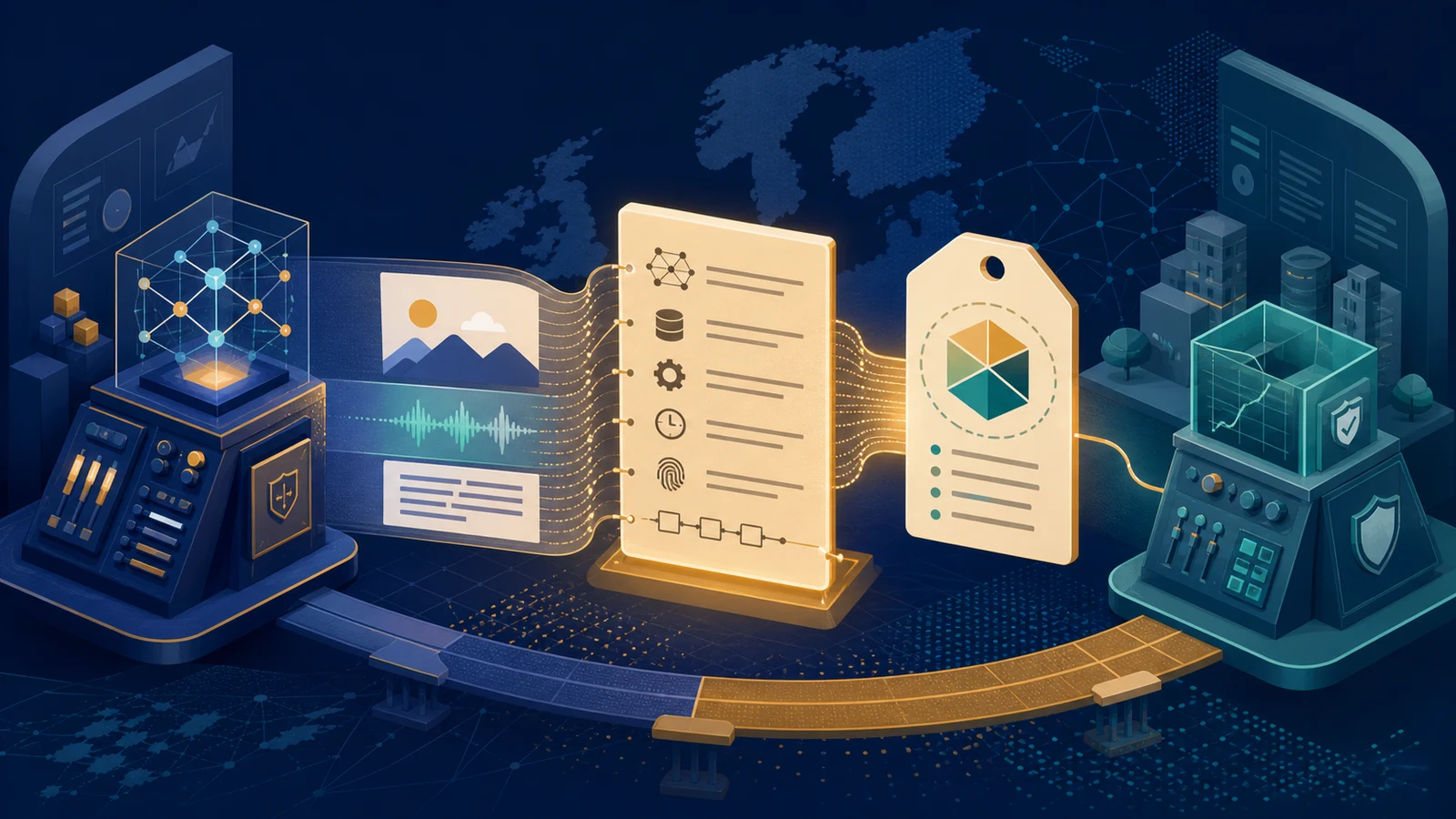
EU AI Act transparency guidelines: what providers and deployers need to separate
The Commission's July guidance clarifies four Article 50 transparency duties; implementation starts with identifying the organisation's role for each system and output.
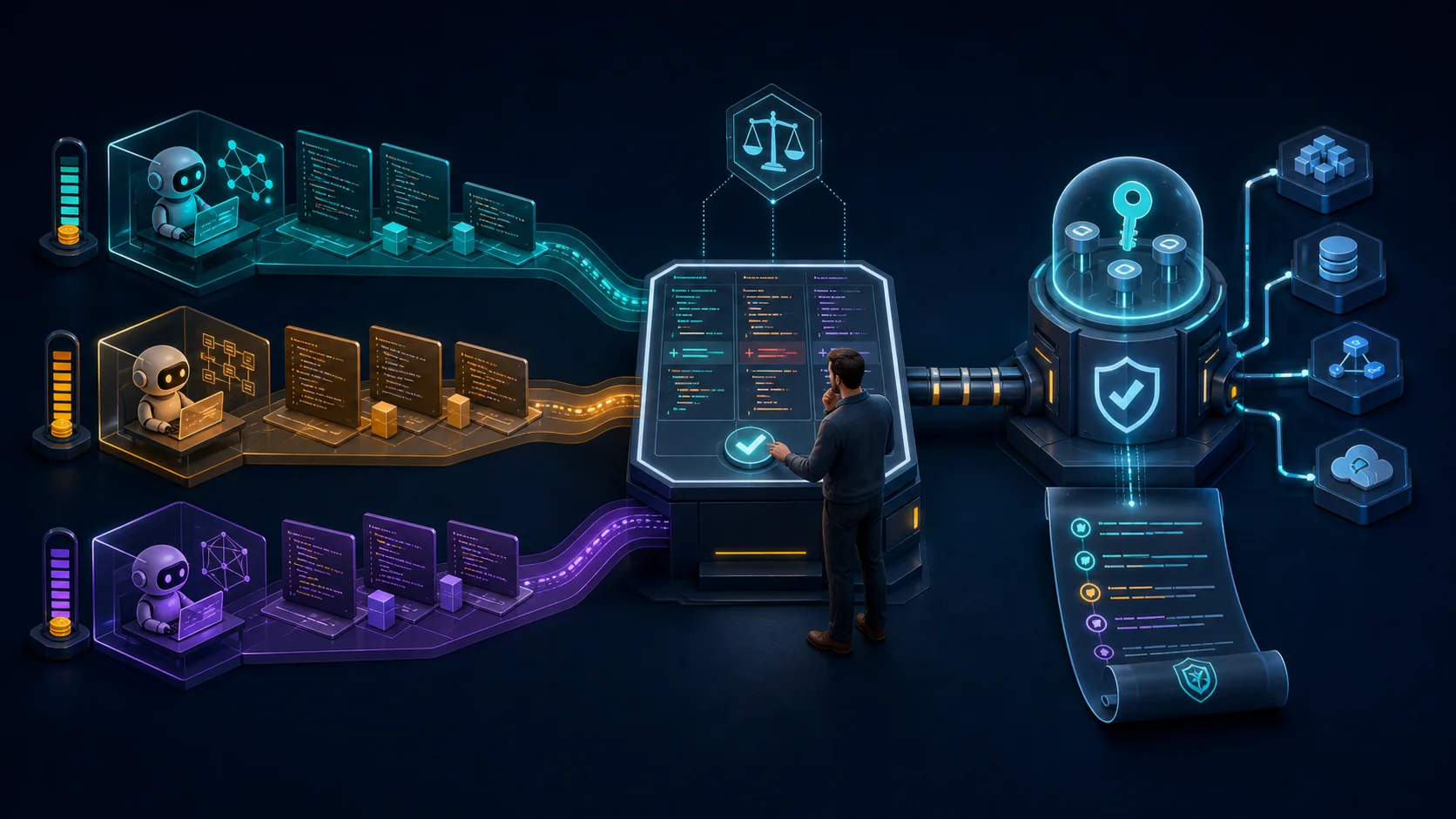
GitHub Copilot parallel agents: cost visibility and MCP security controls
VS Code can organize more agent work in parallel and expose more credit usage, but teams still need isolation, scoped MCP access, and one accountable review path.

GPT-5.6 production model selection: a migration brief for engineering teams
GPT-5.6 adds three production tiers, but the release announcement is a starting point for workload testing, not proof that one tier fits every system.

Gemma 4 12B local agent requirements: hardware, privacy, and rollout
Gemma 4 12B brings text, image, and audio input to laptop-class hardware, but a reliable local agent still depends on precision, context, runtime, tools, and controls.
AI audit log checklist for governance and incident review
A brief checklist for AI audit logs covering prompts, tools, data access, approvals, outputs, incidents, and retention decisions.

AI coding agent pricing brief: what usage-based plans change for teams
A brief on how usage-based AI coding plans change pilot design, budgets, review cost, and governance for developer teams.

AI news brief: why MCP is becoming a practical integration layer
A source-backed brief on Model Context Protocol and why teams evaluating AI tools should track integration standards before buying agent infrastructure.