Agent workflows & MCP
Workflow design, tool permissions, observability, and MCP integration patterns for maintainable agents.
Agent workflows & MCP groups related ToolVerse Insights articles so teams can move from research context to practical AI tool evaluation with less guesswork.
Move from landscape to operating control.
For: AI platform leaders, enterprise architects, and security owners selecting agent runtimes, browser automation, memory systems, or MCP access controls.
Choose an agent stack by separating orchestration, memory, tools, identity, and runtime enforcement. Shortlist only products that fit the real workflow, then verify recovery, authorization, observability, and operating ownership with representative production tasks before allowing agents to change external systems.
- 01 Understand the stack
Agent builder stack comparison: orchestration, tools, memory, and review
Separate builders, runtimes, tools, memory, and governance before comparing products.
Read the flagship guide → - 02 Choose the execution model
Browser Use vs Skyvern vs Firecrawl for web workflows
Match browser action or extraction to the workflow and its failure boundary.
Read the flagship guide → - 03 Validate context and memory
Agent memory architecture with Claude Mem, Graphiti, and OpenViking
Test what is stored, retrieved, isolated, expired, and recoverable.
Read the flagship guide → - 04 Govern MCP access
MCP security checklist before connecting agents to internal tools
Require identity, least privilege, revocation, logs, and containment.
Read the flagship guide →
AutoGen Review: Architecture, Operations, and Fit
A source-verified AutoGen review covering AgentChat, Core, Studio, extensions, migration risk, execution controls, and production ownership.
MCP Server Lifecycle Governance Guide
Govern MCP servers from discovery and approval through versioning, runtime enforcement, evidence review, revocation, and final retirement.

Semantic Kernel review: enterprise agent foundations and transition risk
Semantic Kernel has strong enterprise integration roots, but current selection must account for Microsoft's successor framework and the migration path it creates.

OpenAI Agents SDK review: control boundaries for production workflows
The Agents SDK offers a compact orchestration surface, but successful production use depends on application-owned permissions, state, evaluation, and trace governance.

Browser Use review: production controls for web agents
Browser Use makes browser control available to AI workflows, but the production decision turns on credential boundaries, action gates, recovery evidence, and named ownership.

Amazon WorkSpaces for AI agents reaches GA: managed desktops, MCP controls, and operator responsibility
AWS made WorkSpaces for AI agents generally available, but a managed desktop session remains a customer-operated identity, network, tool, and recovery boundary.

OpenAI Presence for enterprise agents: limited GA, managed deployment, and the questions buyers still own
Presence is a managed, limited-GA enterprise deployment for governed voice and chat agents, not a self-service agent-builder product.

How to assess whether an application is ready for AI agents
Use a repeatable evidence record to decide whether one application workflow is ready for a bounded AI-agent pilot, rather than treating a successful demo as operational proof.
LangGraph review: durable orchestration for production agents
LangGraph gives teams explicit graph state, persistence, and interruption patterns, but it shifts workflow design, checkpoint safety, and recovery discipline back to the application owner.
PydanticAI review: typed Python agents for production services
PydanticAI brings typed Python models to agent inputs, dependencies, tools, and outputs, but production services still need explicit persistence, authorization, evaluation, and deployment ownership.

Bedrock AgentCore Harness GA: the managed loop is available, the operating design is still yours
AWS made its managed AgentCore harness generally available on June 17; teams can configure a loop faster, but they still need a defensible model, tool, memory, identity, and recovery design.

AgentScope vs LangSmith vs AgentOps for agent observability
The three names overlap in observability, but they are not equivalent products: one is an agent framework with Studio, one is a broader managed platform, and one centers an agent-monitoring SDK and service.
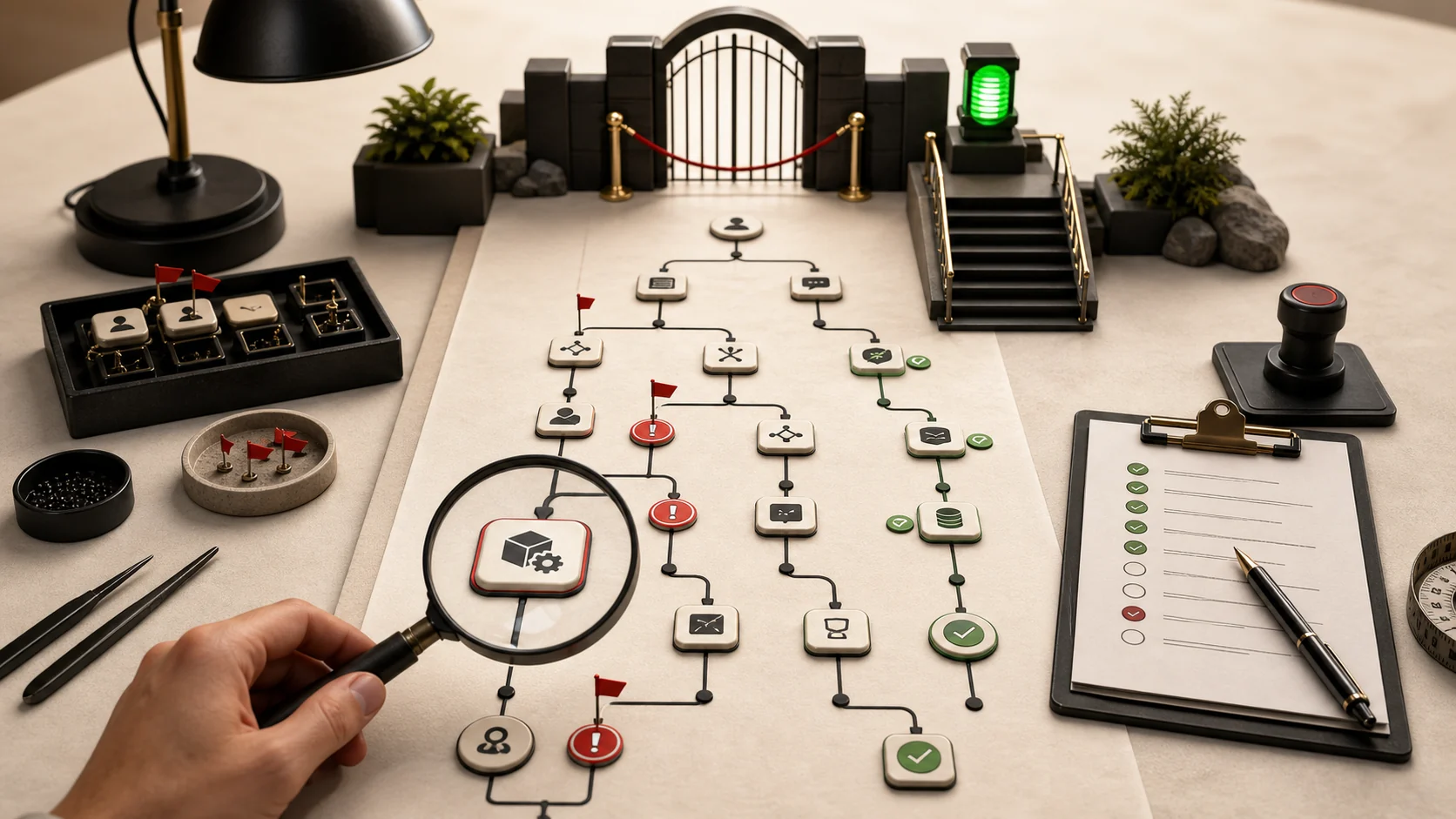
How to review AI agent traces before production
A trace becomes release evidence only when reviewers can reconstruct the task, verify every consequential action, and distinguish safe failure from silent success.
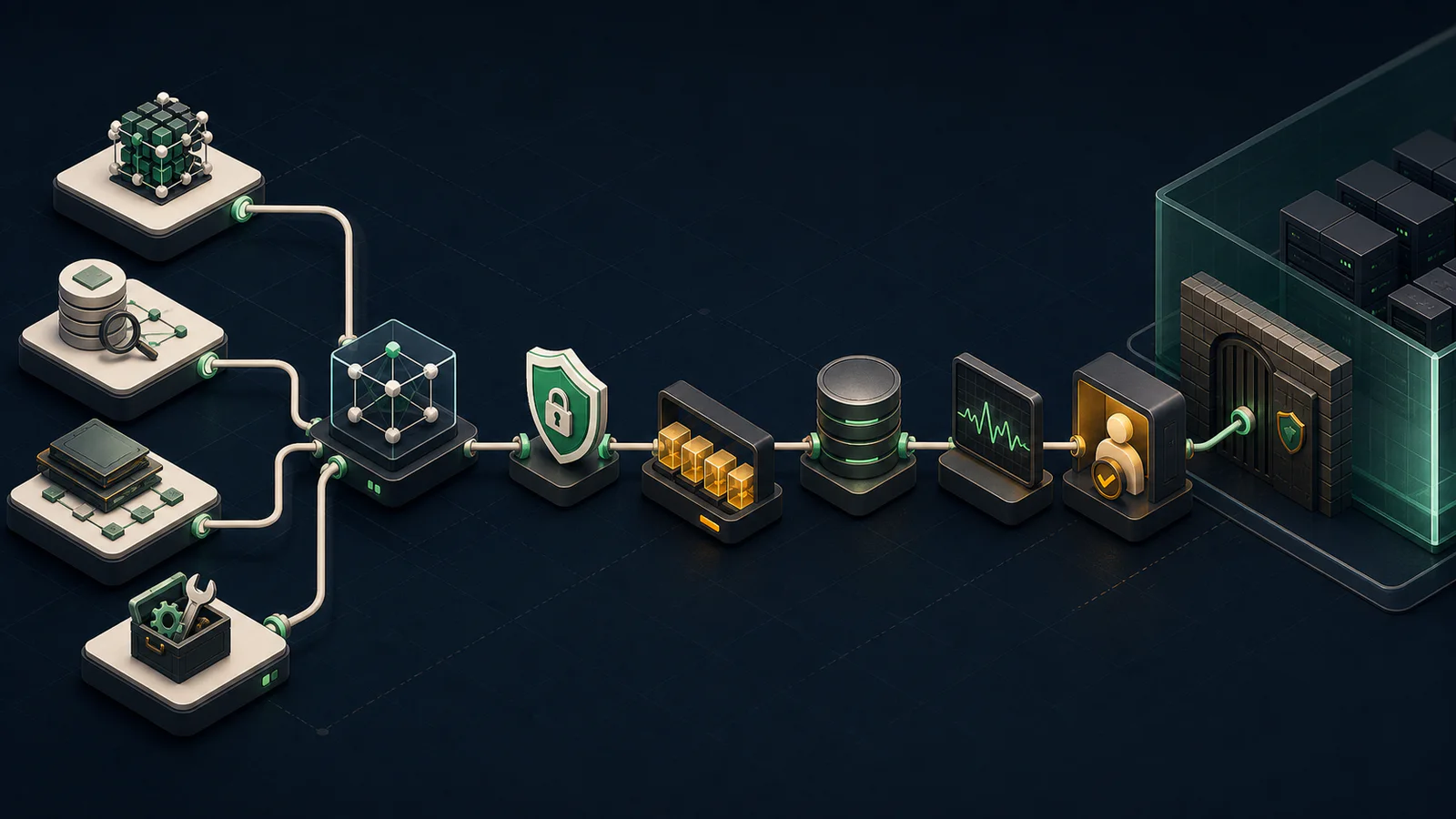
Flowise review: self-hosted AI workflows, security, and cost
Flowise is winding down: existing operators now need a migration or maintained-fork plan, while new adopters should choose an actively maintained alternative.

Langfuse review: self-hosted tracing, privacy, and true ownership
Langfuse combines tracing, evaluation, prompt management, and self-hosting, but the decisive question is whether your team wants to own the observability data plane.
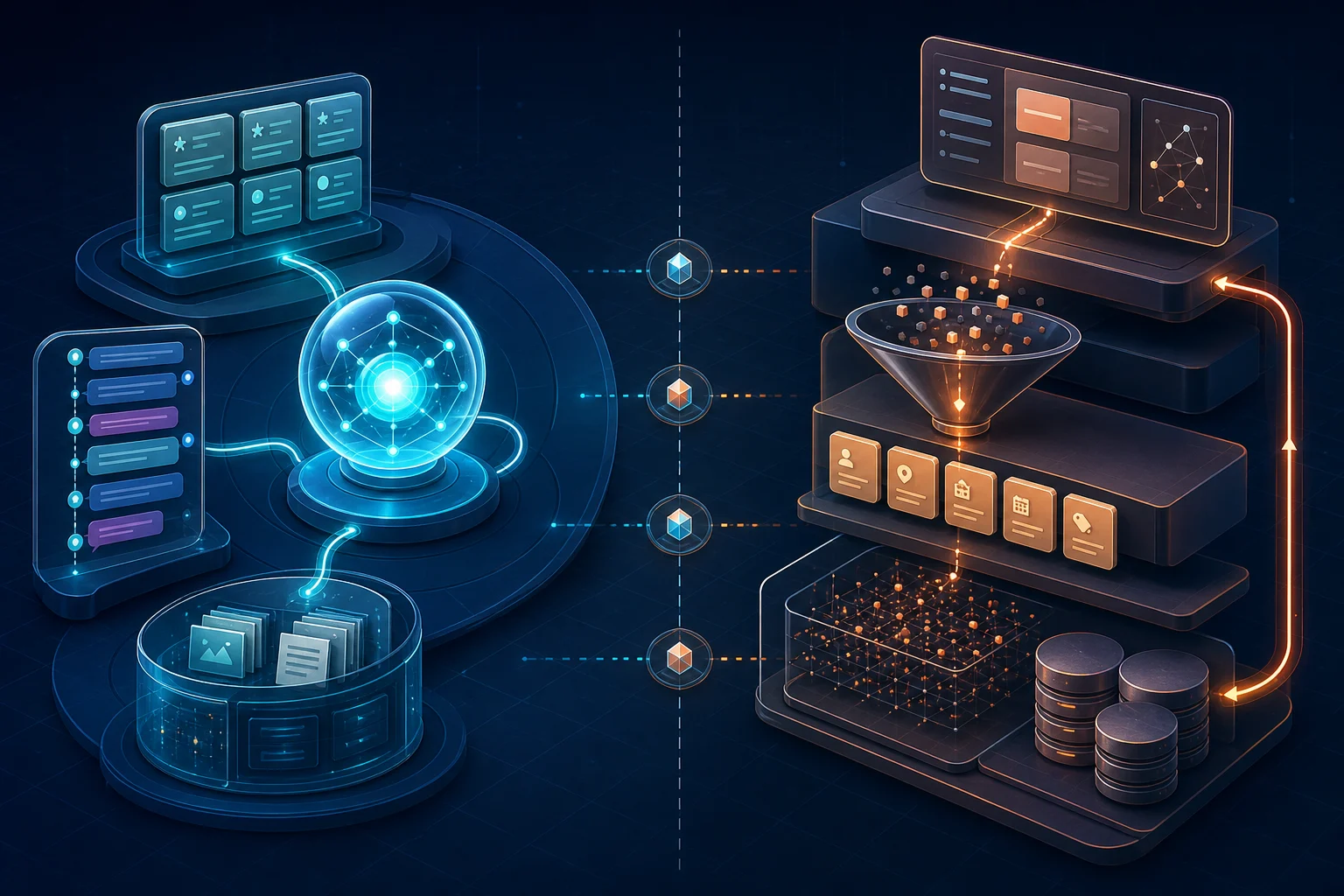
Letta vs Mem0 for agent memory: architecture, privacy, and cost
Letta makes memory part of a stateful agent runtime; Mem0 supplies a memory layer that an existing application can call. The right choice starts with that boundary.
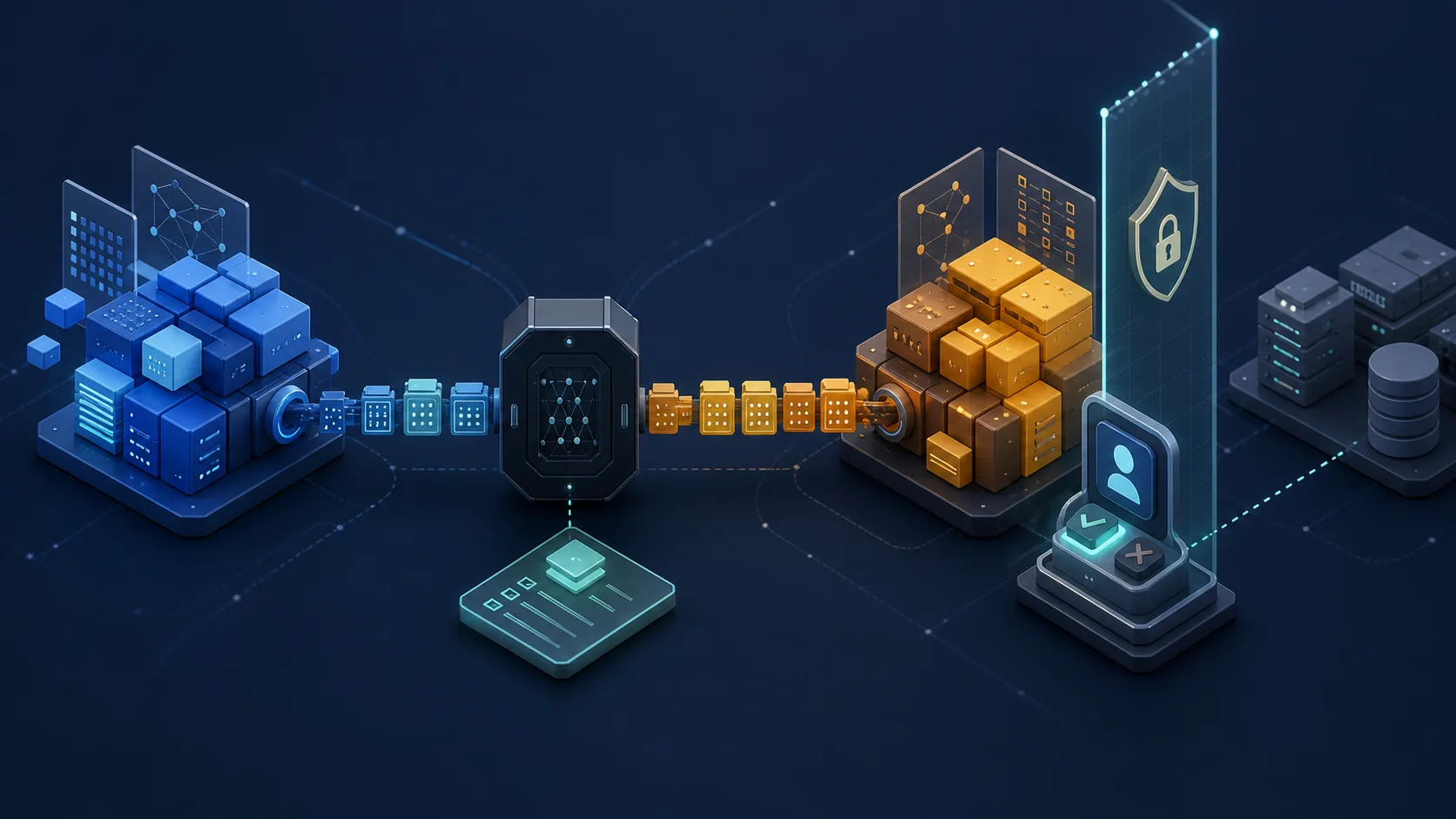
A2A protocol at one year: what production adoption evidence actually supports
A2A has neutral governance, a 1.0 specification, and cross-language examples; production readiness still depends on local interoperability and trust-boundary tests.
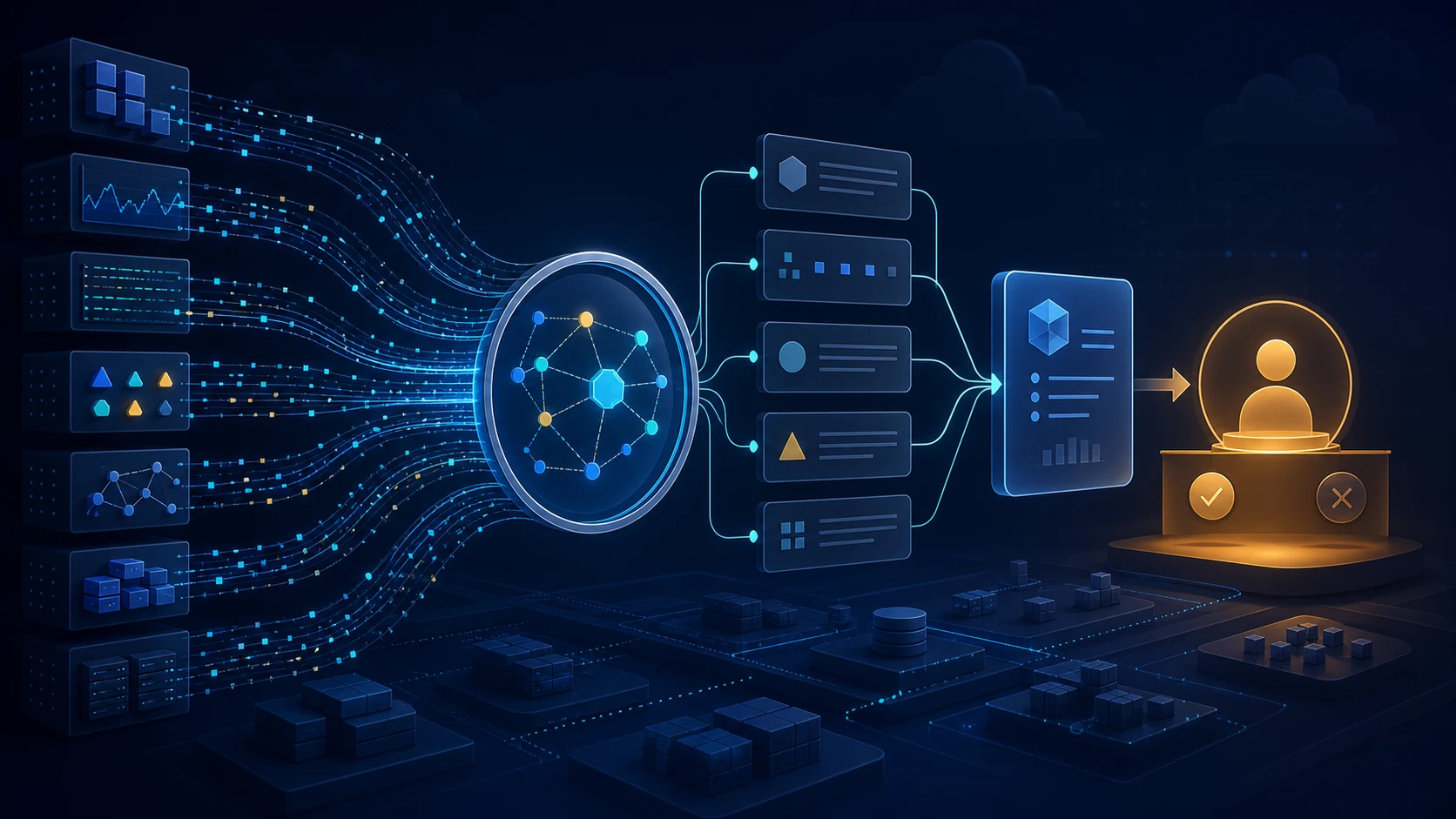
Azure Copilot Observability Agent GA: scope, signals, and rollout boundaries
Microsoft made the Observability Agent generally available, while autonomous operations and its durable agent resource remain public preview.
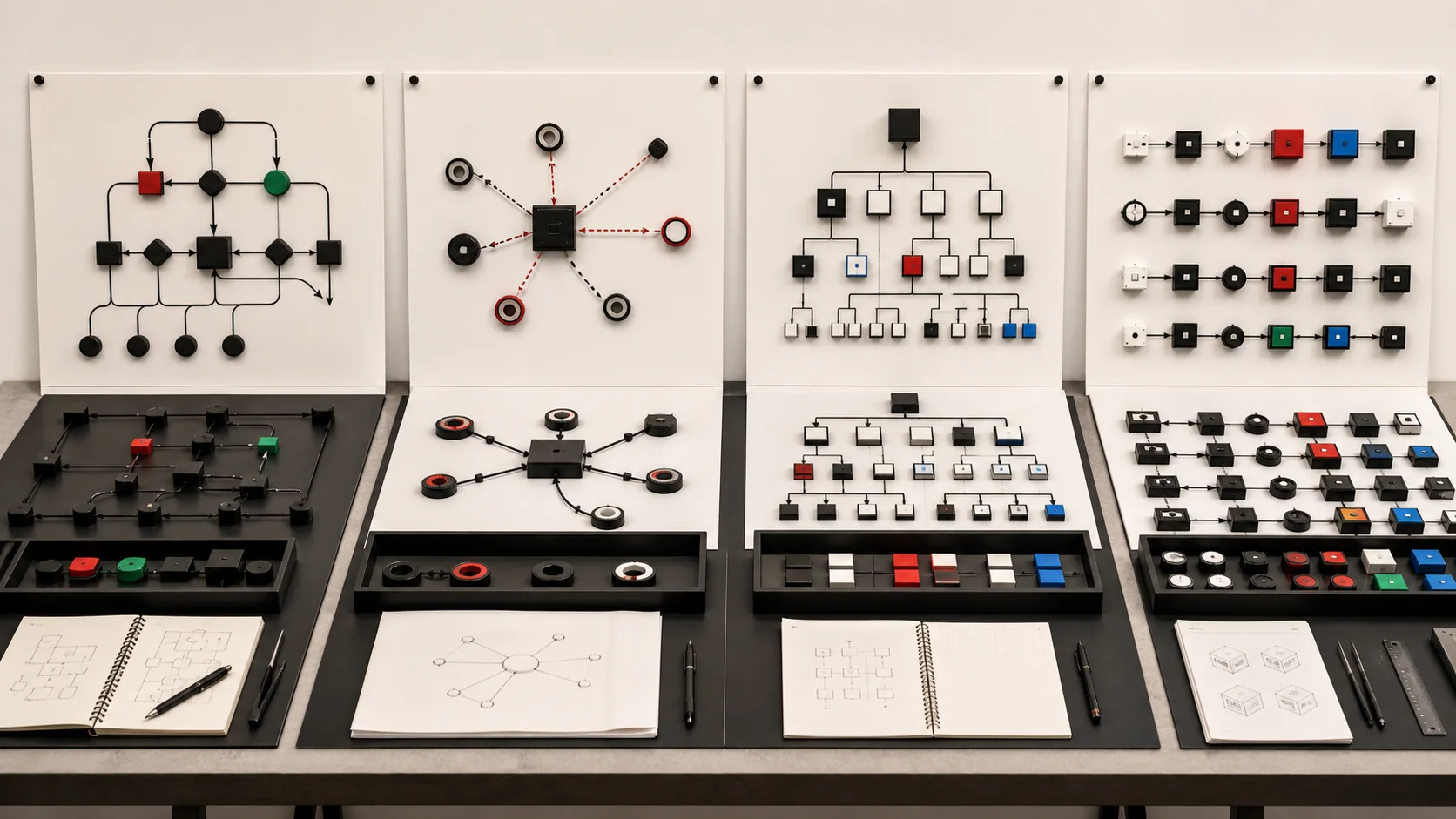
Agent Runtime Platform Selection Guide
A decision framework for agent runtime platform selection that turns official documentation into a controlled pilot, operating record, and defensible selection.
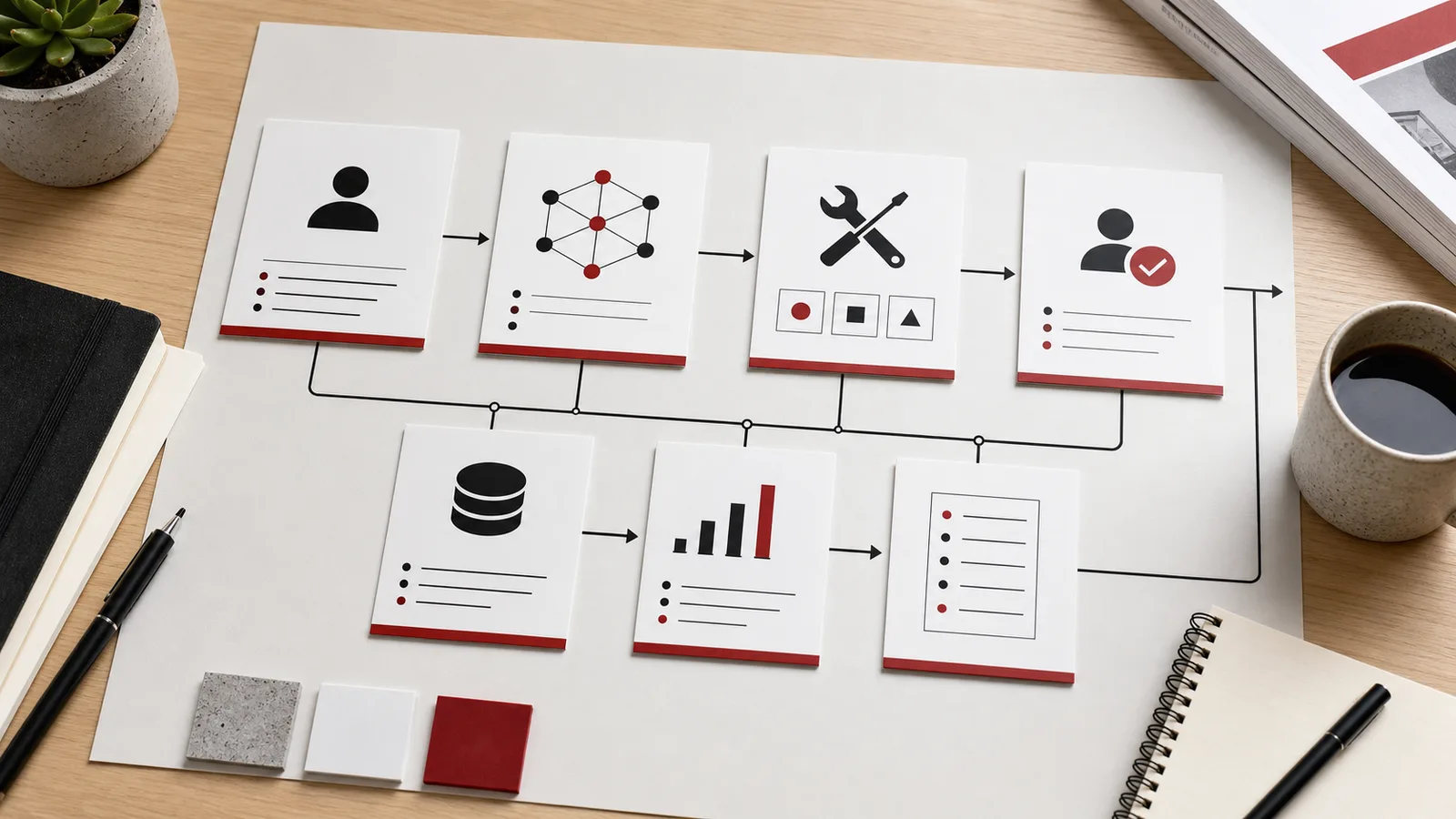
How to Select an MCP Gateway and Registry
A decision framework for MCP gateway and registry architecture that turns official documentation into a controlled pilot, operating record, and defensible selection.
LangChain vs LangGraph vs OpenAI Agents SDK vs Pydantic AI
These frameworks overlap at the demo layer, but they assign very different responsibilities to the application team once an agent must persist, recover, and be reviewed.

Agent memory architecture with Claude Mem, Graphiti, and OpenViking
More stored context does not create better memory. Useful agent memory depends on retention boundaries, retrieval tests, temporal accuracy, and a clear deletion path.
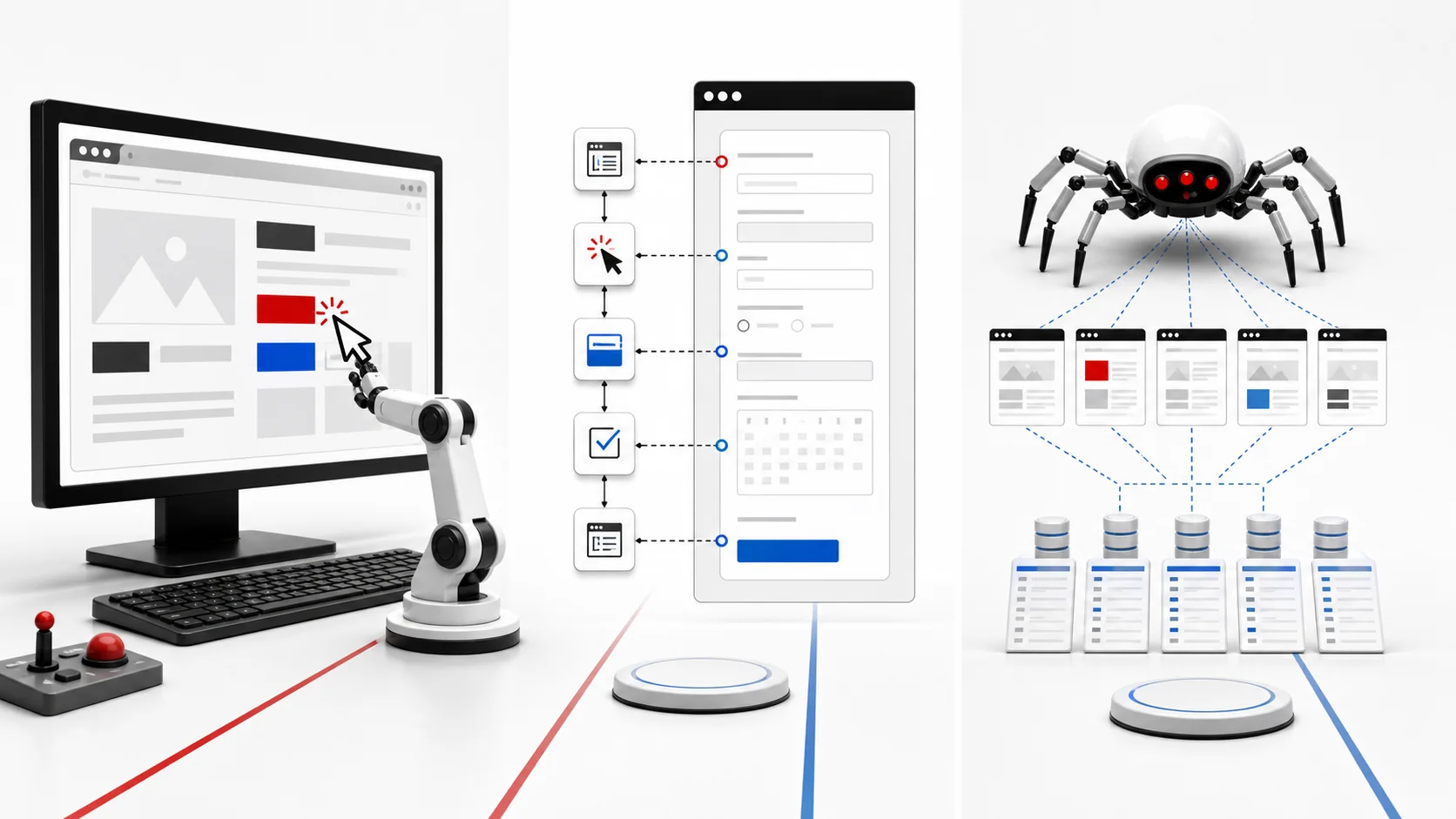
Browser Use vs Skyvern vs Firecrawl for web workflows
Browser Use and Skyvern act through browser sessions; Firecrawl primarily turns public web content into structured data. That boundary should be decided before comparing features.
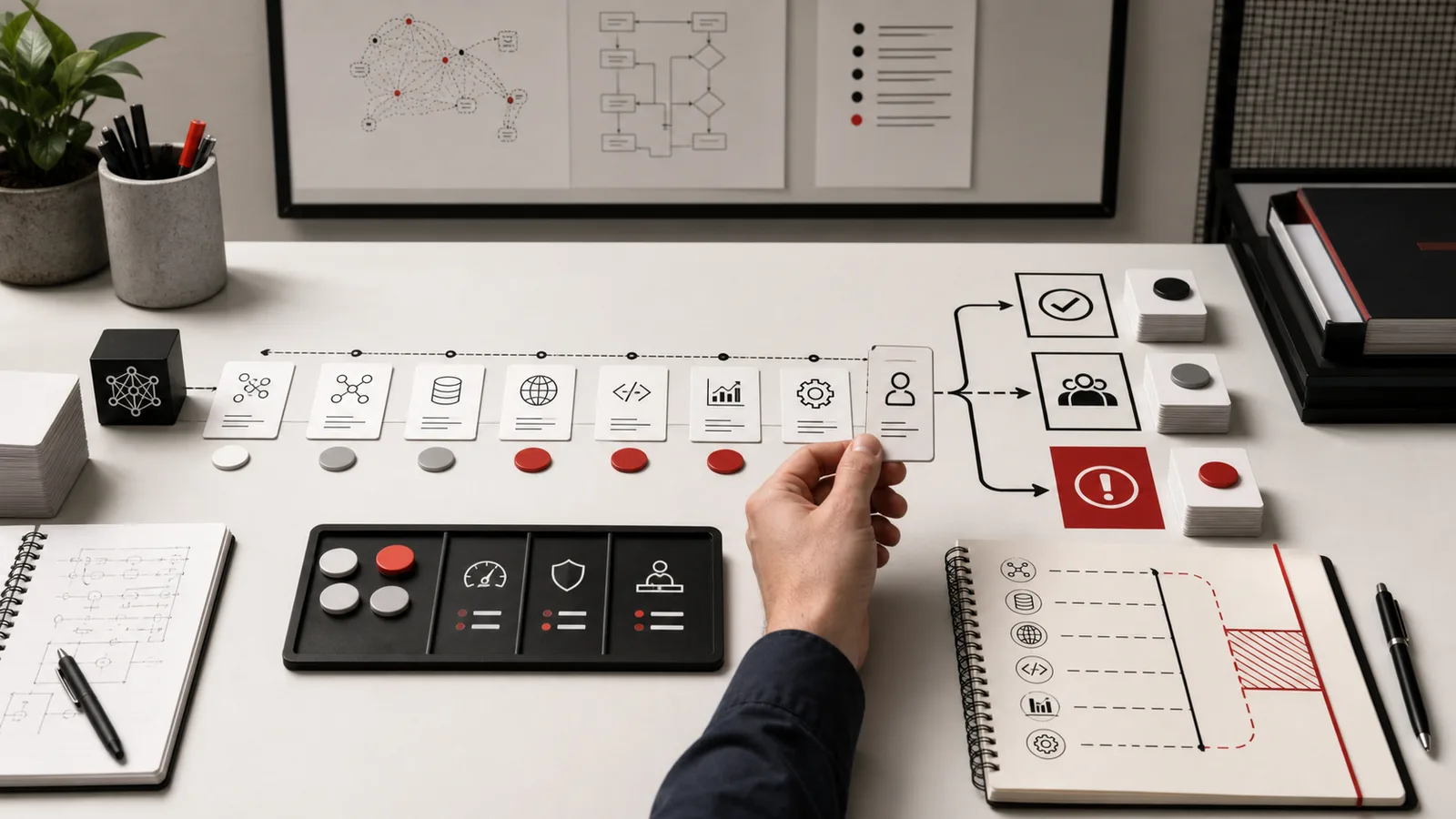
Human-in-the-loop agent approval workflow guide
A useful approval system does not review every action. It concentrates human attention on irreversible, sensitive, or uncertain tool calls.
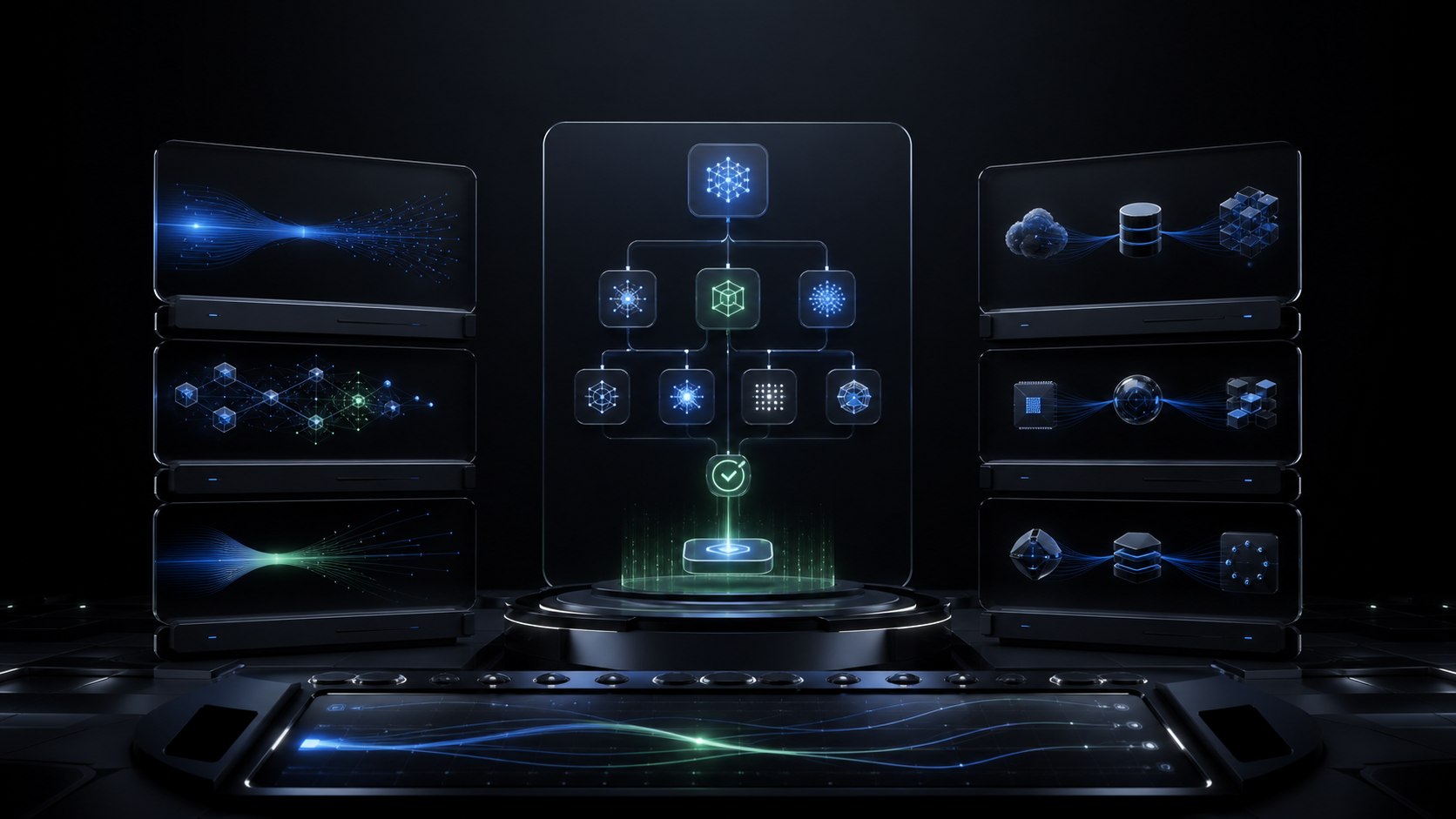
Agent builder stack comparison: orchestration, tools, memory, and review
A practical comparison framework for agent builders that separates orchestration, tool access, memory, observability, and human review.
Agent observability guide: traces, tool calls, evals, and human overrides
A guide to designing observability for AI agents so teams can inspect runs, debug failures, and improve workflows after launch.
How to design an AI agent workflow you can actually maintain
The orchestration framework matters less than the operating design around tools, approvals, memory, evaluation, and ownership.
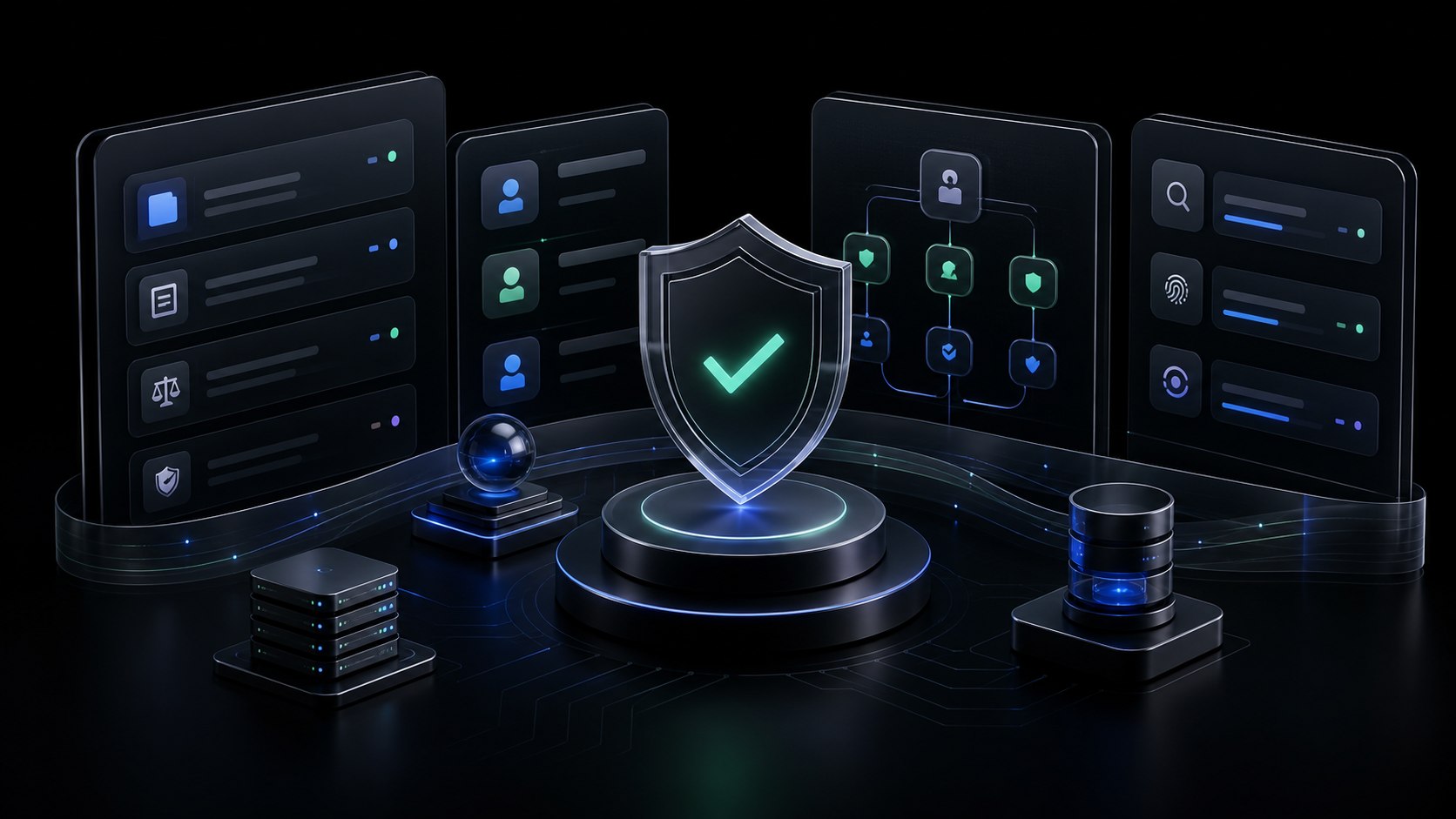
AI tool permissions guide for agents that can read, write, and act
A framework for designing read, transform, write, and approval permissions before giving agents access to business systems.

AI news brief: why MCP is becoming a practical integration layer
A source-backed brief on Model Context Protocol and why teams evaluating AI tools should track integration standards before buying agent infrastructure.
MCP security checklist before connecting agents to internal tools
A checklist for reviewing MCP servers, tool scopes, authentication, prompt-injection exposure, logging, and approval boundaries.
No-code agent builder guide for teams that need workflow control
A buyer guide for evaluating no-code and low-code agent builders by integrations, guardrails, testing, handoff, and ownership.