RAG, retrieval & evaluation
RAG quality, retrieval architecture, hybrid search, reranking, and monitoring for document AI systems.
RAG, retrieval & evaluation groups related ToolVerse Insights articles so teams can move from research context to practical AI tool evaluation with less guesswork.

GraphRAG vs Vector RAG Selection Guide
Choose GraphRAG or vector RAG by query structure, relationship evidence, ingestion cost, update behavior, evaluation, and operating complexity.
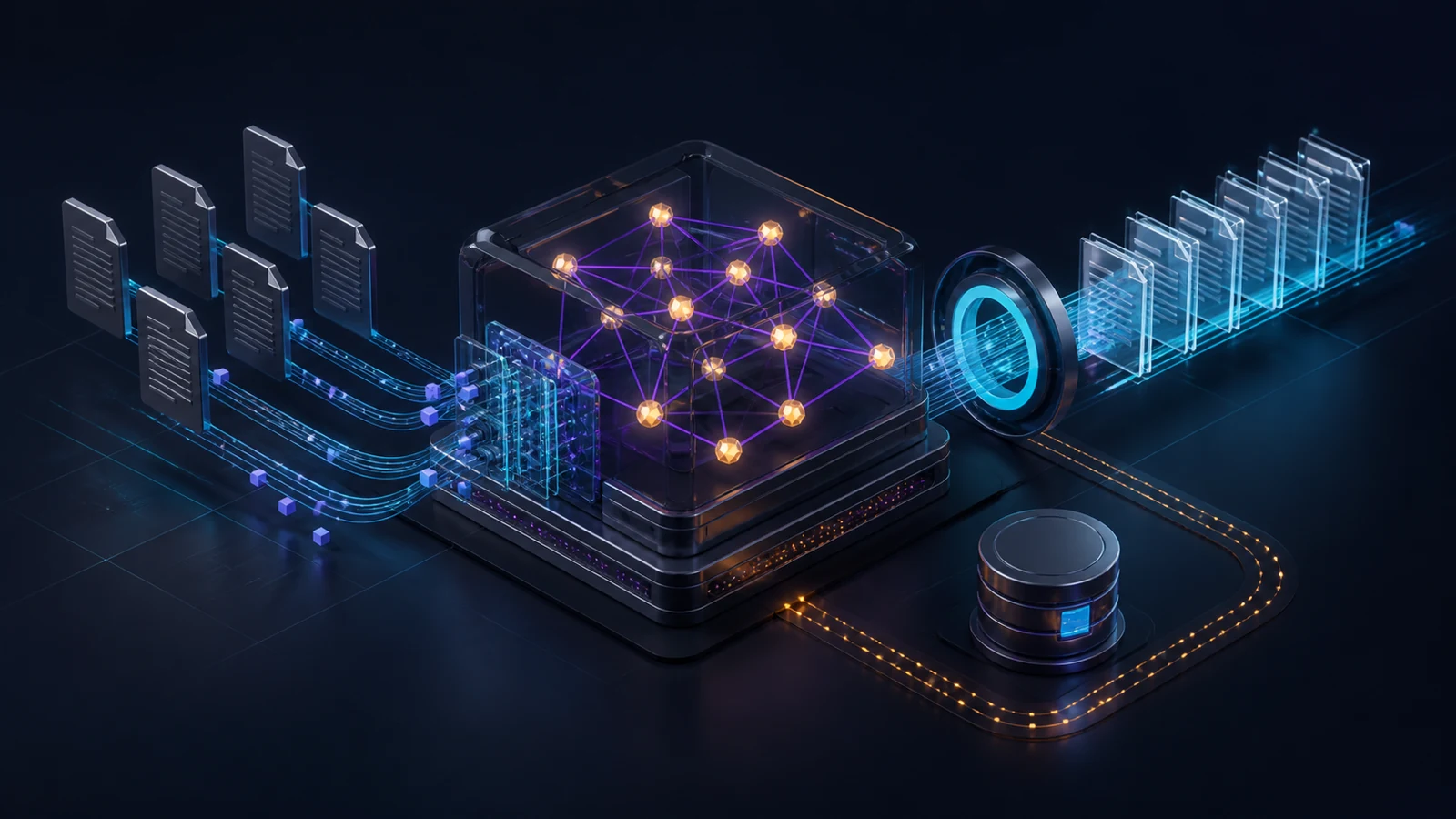
LightRAG Review for Graph-Based Retrieval
A source-verified LightRAG review covering graph extraction, retrieval modes, storage backends, multimodal ingestion, evaluation, and operations.

LLM judge calibration: human agreement and release gates
A reusable method for validating the evaluator and its rubric before a model-generated score influences a product or release decision.

Haystack review: explicit pipelines for production RAG work
Haystack gives Python teams a documented component-and-pipeline model for retrieval applications, but production quality still depends on corpus governance, evaluation, infrastructure, and owners beyond the framework.

Microsoft Foundry IQ: enterprise retrieval availability is mixed, so design to the exact API and integration
Foundry IQ brings knowledge bases and agentic retrieval into Microsoft Foundry, but documentation distinguishes API-level GA from portal and integration previews; enterprise teams should design to that exact boundary.

AnythingLLM review for private document assistants: fit and limits
AnythingLLM packages document retrieval, model choice, workspaces, and agents into a local-first assistant. The deployment and provider path determine how private it really is.
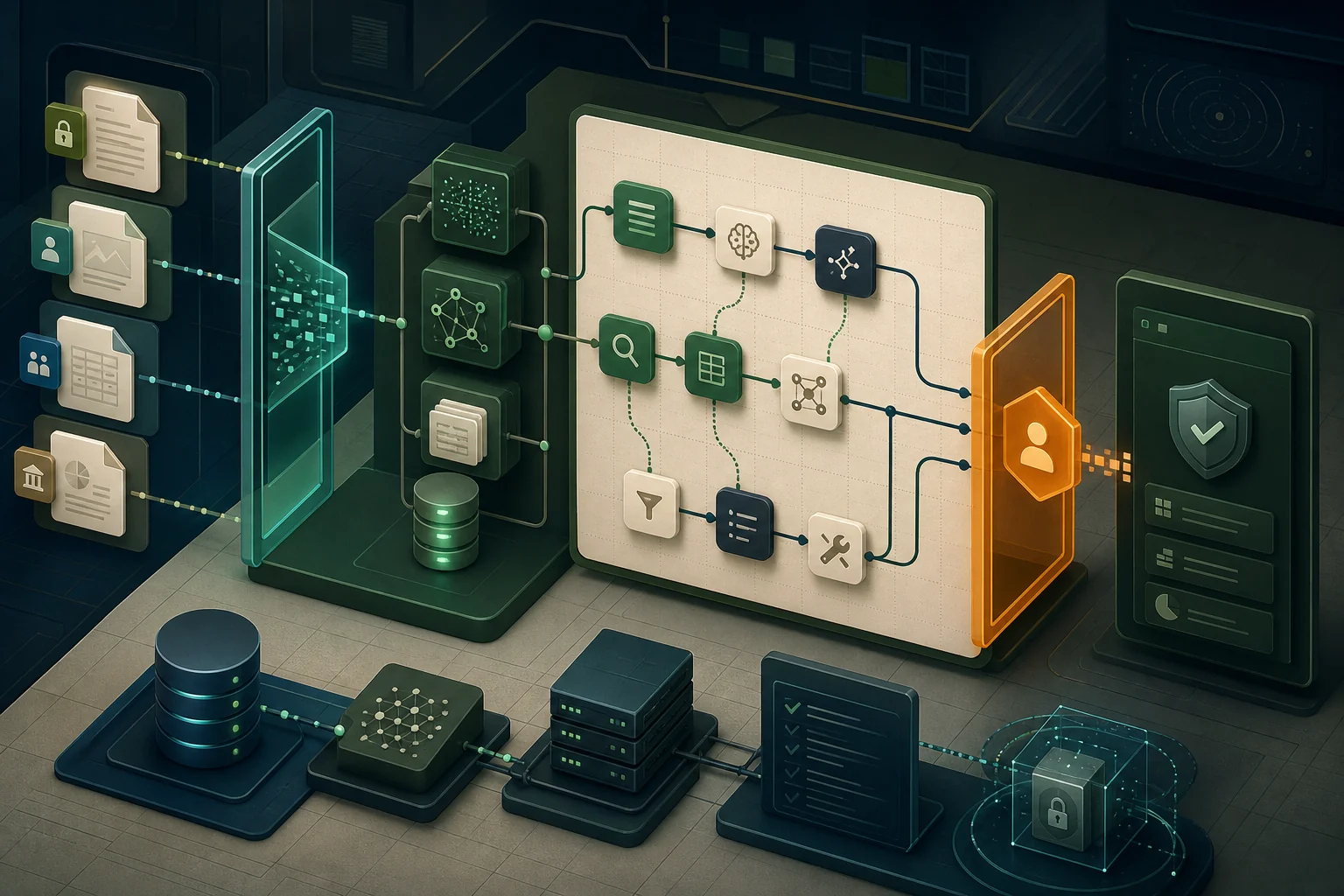
Dify review: enterprise RAG workflows, self-hosting, and cost
Dify packages visual workflows, knowledge pipelines, publishing, and monitoring into one platform, but enterprise fit depends on retrieval evidence and ownership.
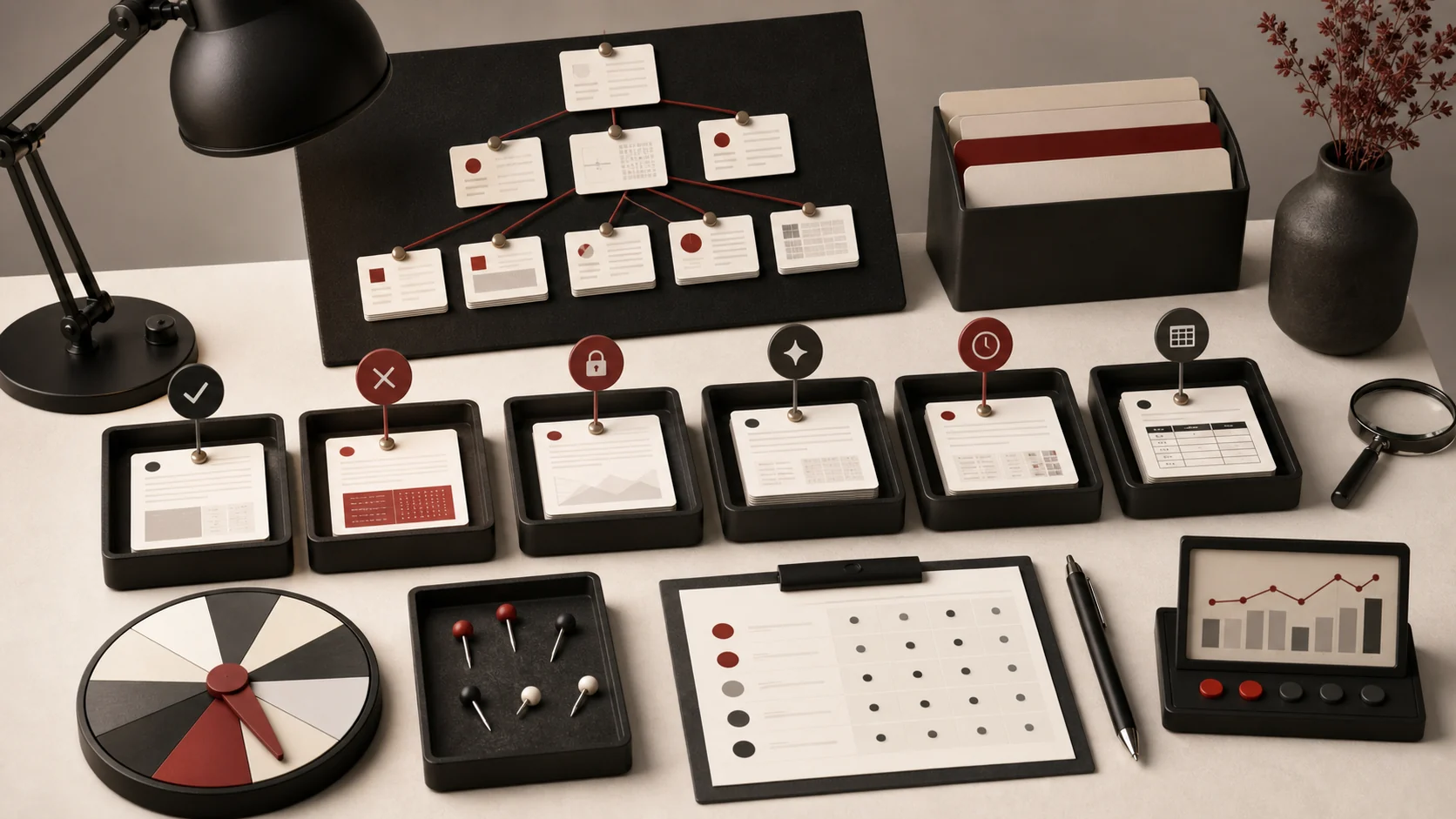
How to build a RAG evaluation dataset that finds real failures
A useful RAG test set measures retrieval, evidence support, refusal, authorization, and operational recovery separately instead of rewarding fluent average answers.
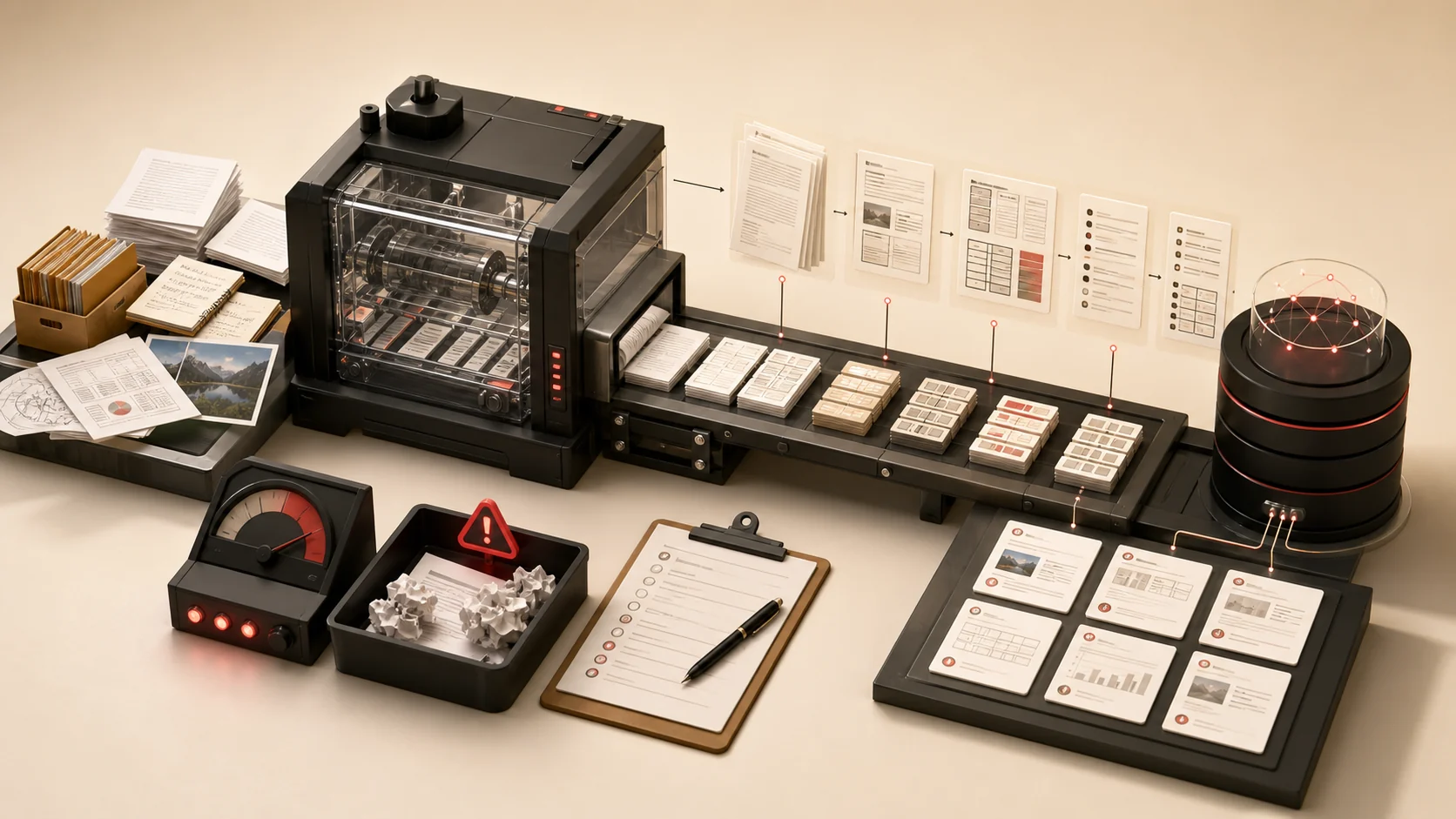
RAGFlow review: document fit, limitations, cost, and alternatives
RAGFlow offers an integrated document-centered RAG platform, but its value depends on representative parsing quality and a team's willingness to operate a substantial service stack.

RAG evaluation services buyer's guide for accountable teams
Choose RAG evaluation services without outsourcing dataset custody, acceptance criteria, adjudication, or release authority.

PDF chunking strategies compared for trustworthy RAG
Compare PDF parsing and chunking strategies with a reproducible corpus that measures structure, tables, retrieval, citation recovery, latency, and storage.
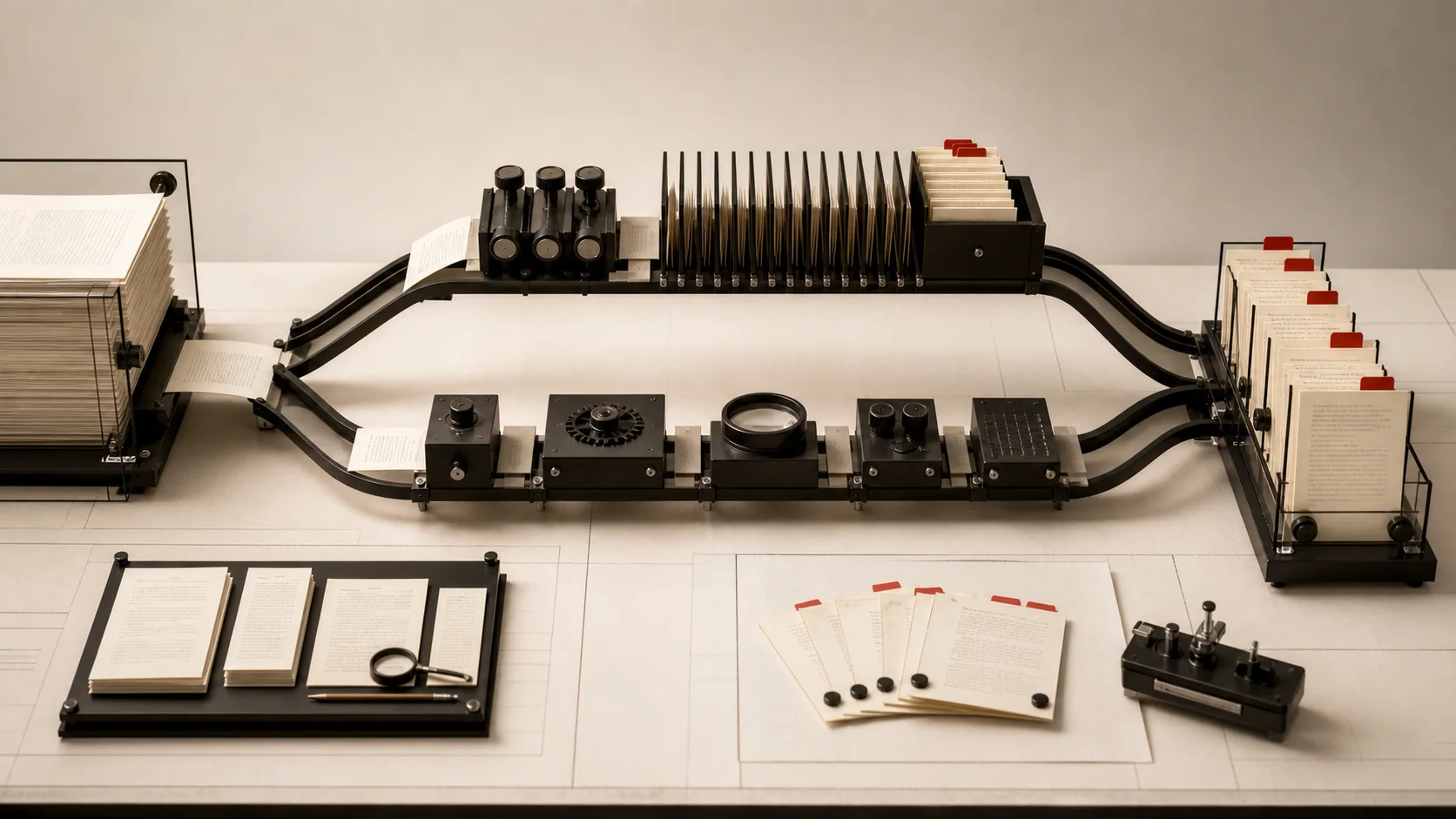
Managed vs Open-Source RAG Stack
A decision framework for managed versus open-source retrieval-augmented generation that turns official documentation into a controlled pilot, operating record, and defensible selection.
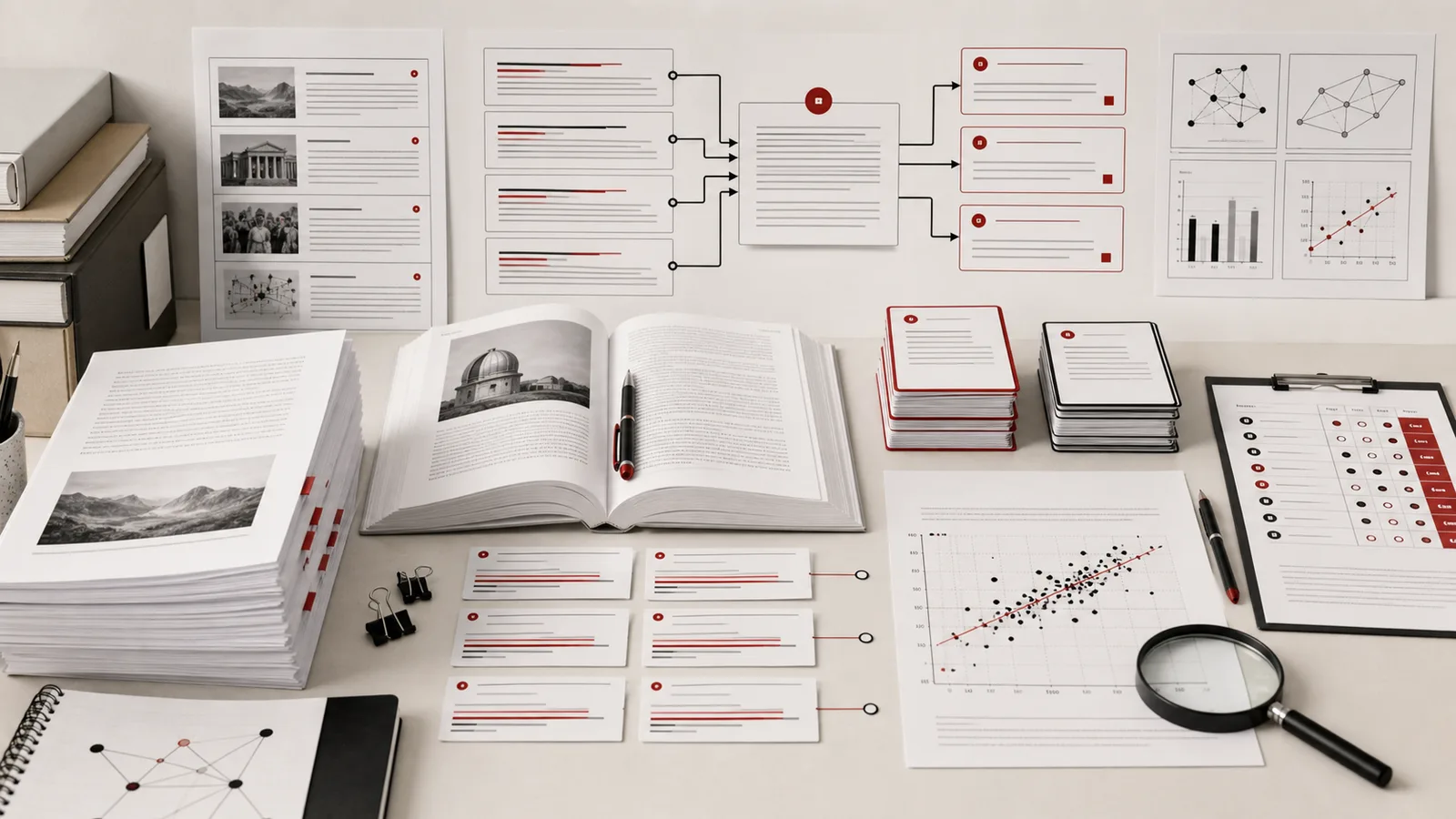
RAG Evaluation Tools Comparison
A decision framework for RAG evaluation tool selection that turns official documentation into a controlled pilot, operating record, and defensible selection.
LlamaIndex vs Haystack for document and RAG agents
The right framework is determined less by a chatbot demo than by how your team prepares sources, evaluates retrieval, composes workflows, and operates the data path.
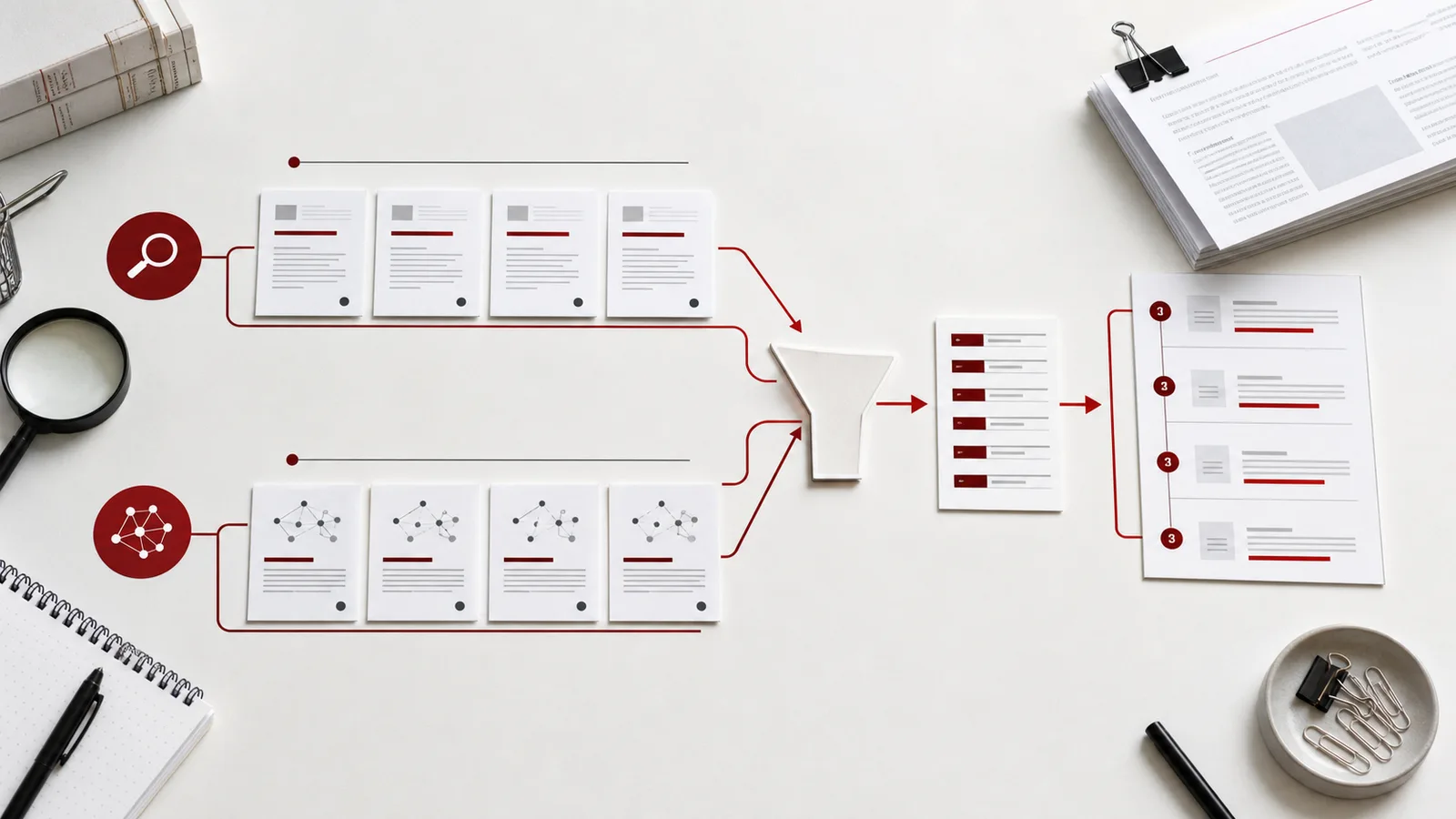
Hybrid search guide for RAG systems that need better citations
Hybrid retrieval earns its complexity only when exact terms, semantic matches, reranking, and citation checks can be evaluated independently.

How to choose an AI search workflow without confusing every search product
A guide to separating answer engines, search APIs, RAG systems, research agents, and site search before buying or building an AI search workflow.
Chunking strategy for RAG systems with trustworthy citations
A test-driven guide to RAG chunk boundaries, size, overlap, metadata, parent context, tables, and citation units for reliable document retrieval.
RAG monitoring guide after your document assistant launches
A guide to monitoring failed questions, stale indexes, citation complaints, retrieval drift, latency, and cost after a RAG system is live.
A RAG evaluation playbook before your document assistant goes live
RAG quality becomes manageable when retrieval, citation support, answer usefulness, and freshness are tested as separate failure modes.
A RAG quality checklist before you publish a document chatbot
A research note on retrieval quality, citation behavior, freshness, and evaluation signals for teams shipping RAG workflows.
Reranking guide for RAG and AI search workflows
A source-backed guide to when rerankers improve retrieval quality, how to test them, and where they add latency or cost.
Vector database selection guide for AI product teams
A guide to choosing between vector databases, hybrid search, metadata filtering, hosted services, and Postgres extensions for RAG and semantic search.